 Oshud
OshudAmpicillin Sodium
 Brands & Prices (13)
📋 Indications & Uses⚠️ Contraindications⚡ Side Effects & Adverse Reactions🛡️ Warnings & Precautions🔬 Pharmacology & Mechanism
Brands & Prices (13)
📋 Indications & Uses⚠️ Contraindications⚡ Side Effects & Adverse Reactions🛡️ Warnings & Precautions🔬 Pharmacology & Mechanism
Brand Formulations & Prices
13 brands sorted by unit price

Skycillin
Ampimet
Acmecilin
Ampimet
Seemacillin

Acmecilin
Ampimet DS
Seemacillin
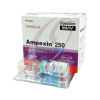
Ampexin
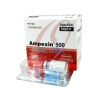
Ampexin

Acmecilin
Ampirex
Acmecilin
📖 Official Clinical Monograph
DGDA Approved Prescribing GuidelinesAcmecilin is indicated in the treatment of infections caused by susceptible strains of the designated organism listed below:
Infections of the Genitourinary Tract Including Gonorrhea
: E. coli, P. mirabilis, enterococci, Shigella, S. typhosa and other Salmonella, and nonpenicillinase-producing N. gononhoeae.
... Read more
Acmecilin is indicated in the treatment of infections caused by susceptible strains of the designated organism listed below:
Infections of the Genitourinary Tract Including Gonorrhea
: E. coli, P. mirabilis, enterococci, Shigella, S. typhosa and other Salmonella, and nonpenicillinase-producing N. gononhoeae.
Infections of the Respiratory Tract
: Nonpenicillinase-producing H. influenzae and staphylococci, and streptococci including streptococcus pneumoniae.
Infections of the Gastrointestinal Tract
: Shigella, S. typhosa and other Salmonella, E. coli, P. mirabilis, and enterococci.
Meningitis
: O. Meningitides.
Bacteriology studies to determine the causative organisms and their sensetivity to ampicillin should be performed. Therapy may be instituted prior to the results of susceptibility testing.
Hypersensitivity to ampicillin and other penicillins.
Nausea, vomiting, diarrhoea, erythematous maculo-papular rashes, sore mouth, black/hairy tongue, rash, erythema multiforme, Stevens-Johnson syndrome, toxic epidermal necrolysis, angioedema, fever, joint pains, serum sickness-like symptoms, haemolytic anaemia, thrombocytopenia, leucopenia, neutropenia, coagulation disorders, prolonged bleeding time and prothrombin time, CNS toxicity (e.g. convulsions); paraesthesia, nephropathy, interstitial nephritis, hepatitis, cholestatic jaundice, moderate and transient increase in transaminases, Anaphylaxis, Clostridium difficile-associated diarrhoea (CDAD).
Patient with history of β-lactam allergy. During renal impairment, Pregnancy and lactation.
Ampicillin inhibits bacterial cell wall synthesis by binding to 1 or more of the penicillin-binding proteins (PBPs) which in turn inhibit the final transpeptidation step of peptidoglycan synthesis in bacterial cell walls. Bacteria eventually lyse due to ongoing activity of cell wall autolytic enzymes (autolysins and murein hydrolases) while cell wall assembly is arrested.