 BD Medi
Amoxicillin + Clavulanic Acid
 Broad spectrum penicillins
Brands & Prices (94)
📋 Indications & Uses⚠️ Contraindications⚡ Side Effects & Adverse Reactions🛡️ Warnings & Precautions🔬 Pharmacology & Mechanism
Brand Formulations & Prices
94 brands sorted by unit price

Clavoxil
Emox-C

Clamox
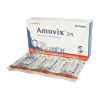
Amovix
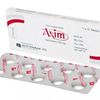
Aristomox CV

Augment

Clacido
Clavoxil
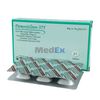
Demoxiclave
Emox-C
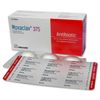
Moxaclav
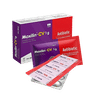
Moxilin-CV
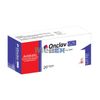
Onclav

Tyclav
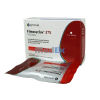
Fimoxyclav
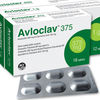
Avloclav
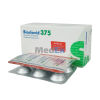
Bioclavid
Zylopen
Amoclav
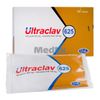
Ultraclav
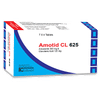
Amotid CL
Mimoxclav
Aristomox CV
Augment
Clacido
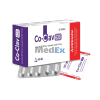
Co-Clav
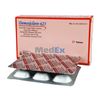
Demoxiclave
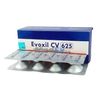
Evoxil CV
Fortimox
Moxaclav
Moxilin-CV
Novaclav
Tyclav
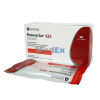
Fimoxyclav
Clamox
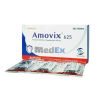
Amovix
AmoxyClavulanic
Avloclav
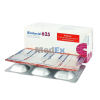
Bioclavid
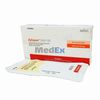
Zylopen
Amoclav
Augment
Clamox
Aristomox CV
Clacido
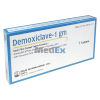
Demoxiclave
Moxaclav
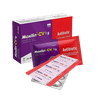
Moxilin-CV
Tyclav
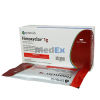
Fimoxyclav
Avloclav
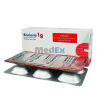
Bioclavid
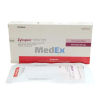
Zylopen
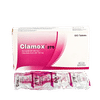
Clamox DS

Clacido BID

Demoxiclave Forte
Clamox

Apoxyclav
Avloclav
Clacido
Tyclav
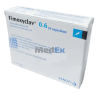
Fimoxyclav
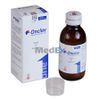
Onclav
Amotid CL

Demoxiclave
Amoclav
Amoclav Forte
Amovix

Augment
Clacido
Co-Clav

Evoxil CV
Moxaclav
Tyclav
Clamox
Aristomox CV Forte
Moxaclav Forte
Tyclav BID
Aristomox CV
Avloclav
Avloclav BID
Fimoxyclav
Fimoxyclav BID

Amoclav
Amovix

Augment
Avloclav

Clacido
Clamox
Moxaclav
Novaclav
Tyclav
Fimoxyclav
Fimoxyclav ES
📖 Official Clinical Monograph
DGDA Approved Prescribing GuidelinesAmoclav is indicated for short-term treatment of bacterial infections at the following sites:
Upper respiratory tract infections (including ENT) e.g.tonsillitis,sinusitis,otitis media.
Lower respiratory tract infections e.g.acute and chronic bronchitis, lobar and bronchopneumonia.
... Read more
Amoclav is indicated for short-term treatment of bacterial infections at the following sites:
Upper respiratory tract infections (including ENT) e.g.tonsillitis,sinusitis,otitis media.
Lower respiratory tract infections e.g.acute and chronic bronchitis, lobar and bronchopneumonia.
Genito-urinary tract infections e.g.cystitis,urethritis,pyelonephritis.
Skin and soft tissue infections.
Bone and joint infections e.g.osteomyelitis.
Other infections e.g.septic abortion,puerperal sepsis,intra-abdominal sepsis etc.
History of Penicillin hypersensitivity. Attention should be paid to possible cross-sensitivity with other beta-lactam antibiotics e.g. cephalosporins. Also contraindicated for patients with a previous history of Co-amoxiclav or Penicillin-associated cholestatic jaundice.
Side effects, as with Amoxicillin, are uncommon and mainly of a mild and transitory nature. Diarrhoea, pseudomembranous colitis, indigestion, nausea, vomiting and candidiasis have been reported, if gastrointestinal side effects occur with oral therapy, that may be reduced by taking Co-amoxiclav at the start of meals. Hepatitis and cholestatic jaundice have been reported rarely but are usually reversible. Urticarial and erythematous rashes sometimes occur. Rarely erythema multiforme, Stevens-Johnson Syndrome and exfoliative dermatitis have been reported. In common with other beta-lactam antibiotics, angioedema and anaphylaxis have been reported.
Co-amoxiclav should be used with care in patients on anticoagulation therapy or with severe hepatic dysfunction. In patients with moderate or severe renal impairment, dosage should be adjusted. During the administration of a high dose of Co-amoxiclav adequate fluid intake and urinary output should be maintained to minimize the possibility of crystalluria.
Pharmacodynamic properties
: This is an antibacterial combination consisting of the antibiotic Amoxicillin and the (3-lactamase inhibitor Clavulanic Acid. Amoxicillin has a broad spectrum of bactericidal activity against many Gram-positive & Gram-negative microorganisms but it is susceptible to degradation by (3-lactamases and therefore the spectrum of activity does not include microorganisms, which produce these enzymes. Clavulanic acid possesses the ability to inactivate a wide range of beta-lactamase enzymes commonly found in microorganisms resistant to penicillins and cephalosporins. Thus Clavulanic acid in this preparation protects Amoxicillin from degradation by (3-lactamase enzymes and effectively extends the antibiotic spectrum to embrace a wide range of microorganisms.
Pharmacokinetic properties
: The pharmacokinetics of the two components of this combination is closely matched. Peak serum levels of both occur about one hour after oral administration. Absorption of Co-amoxiclav is optimized at the start of a meal. Both clavulanate and Amoxicillin have low levels of serum binding; about 70% remains free in the serum. Doubling the dosage of Co-amoxiclav approximately doubles the serum levels achieved.