Amlodipine Besilate + Atenolol
💊 Brand Formulations & Prices
70 brands sorted by unit price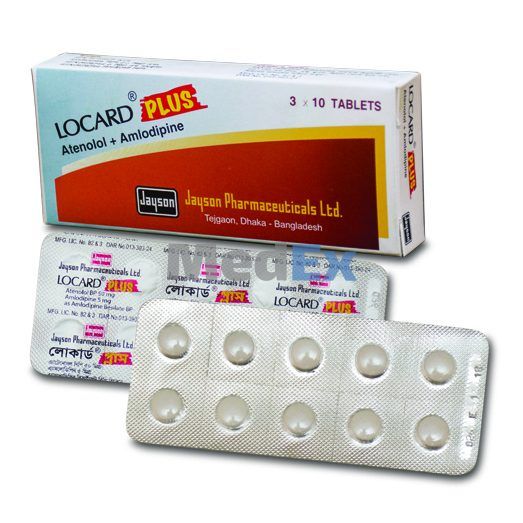
Locard Plus

Atezen Plus
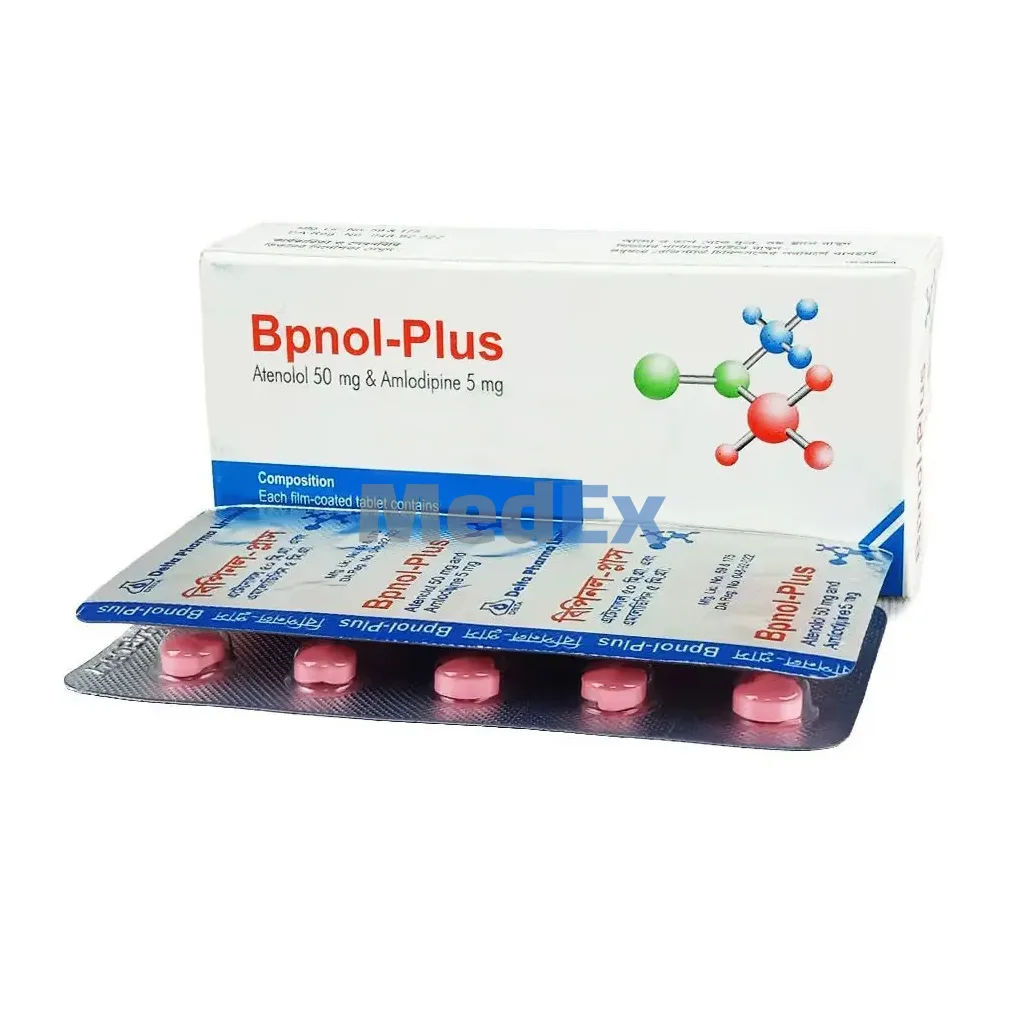
Bpnol Plus
Imped Plus
Tenodin
Aloten
Atepine
Calock Plus
Calock Plus
Lopin Plus
Virlon Plus
Aloten Forte
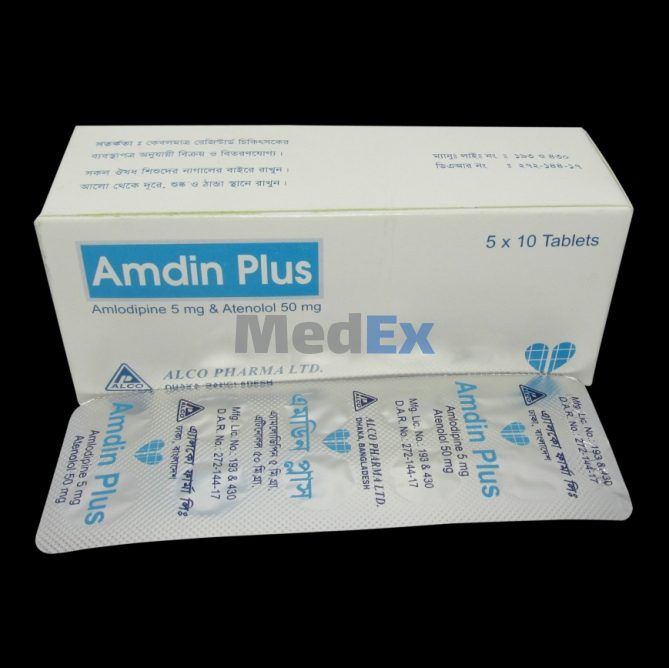
Amdin Plus
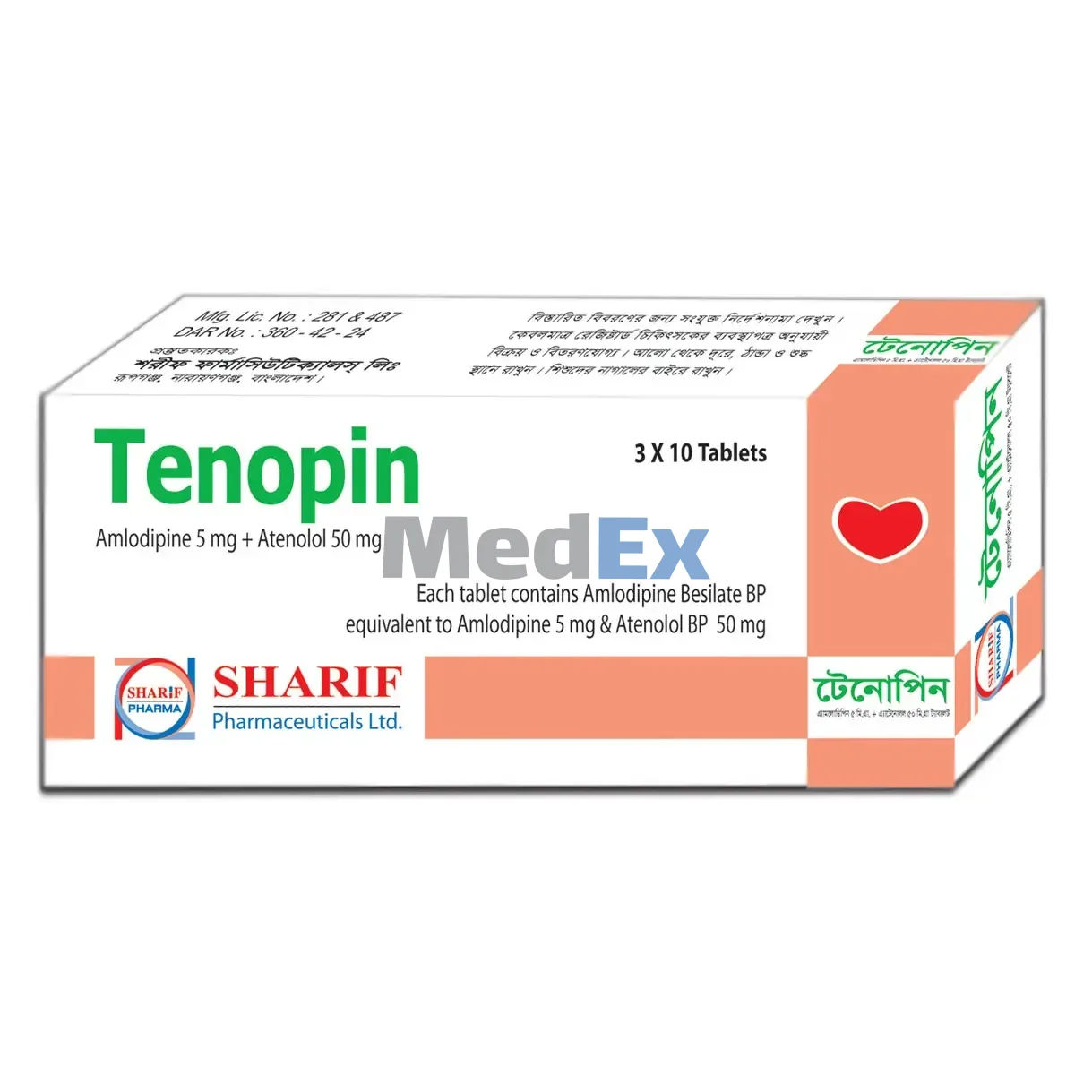
Tenopin
Cardosia Plus
Vasopin Plus
Amdepin AT
Amlosin Plus
Imped Plus
Veridipin Plus
Pristin OL
Cardifort Plus

Amloten
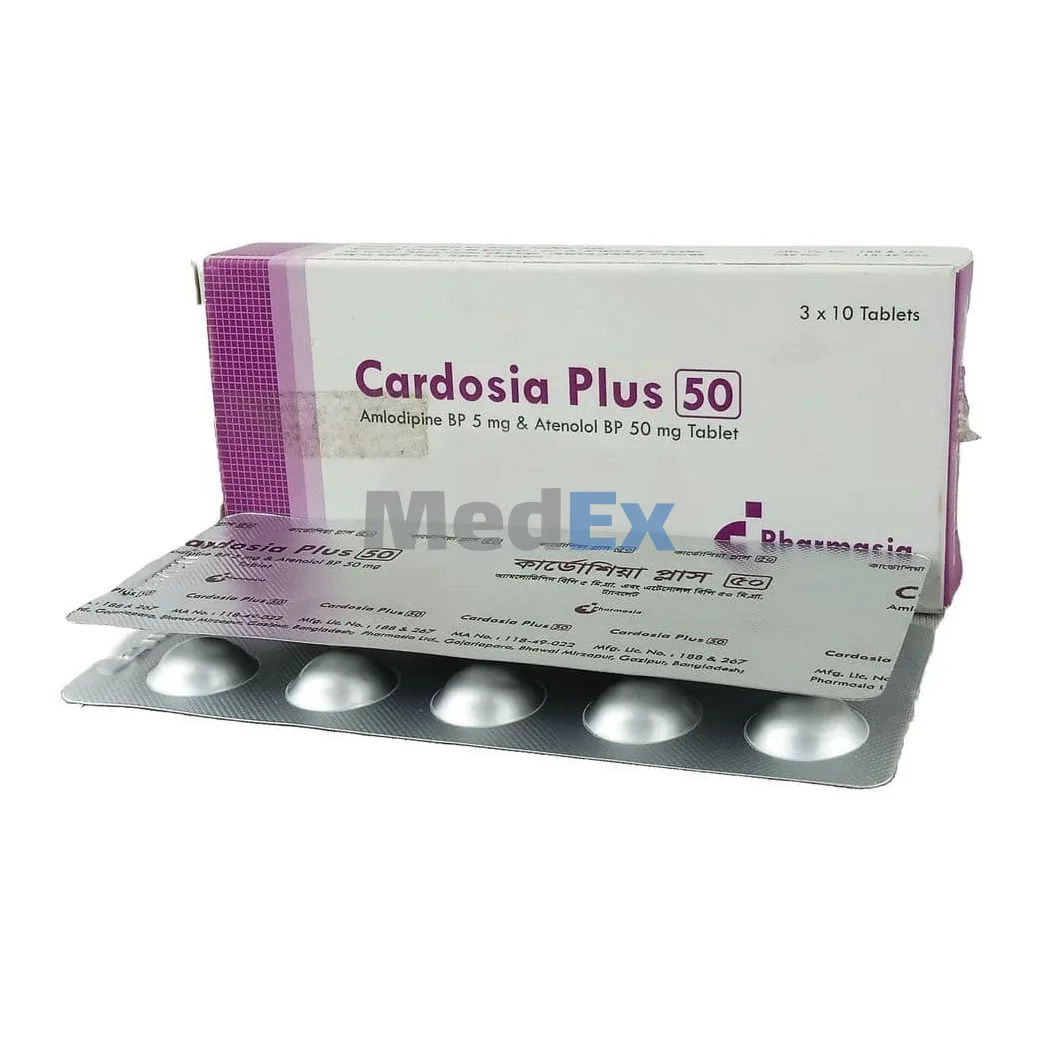
Cardosia Plus

Amlobet
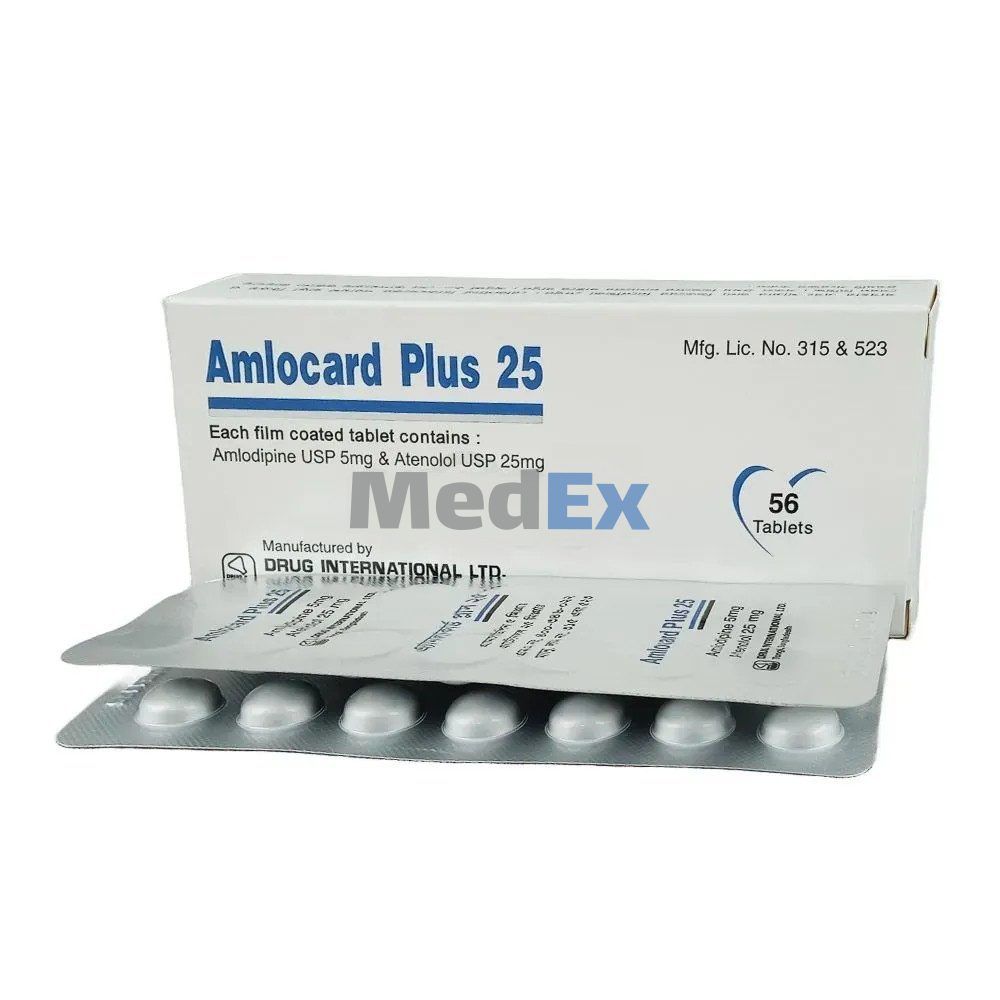
Amlocard Plus
Amlotol Plus

Amlovas AT
Ampil Plus
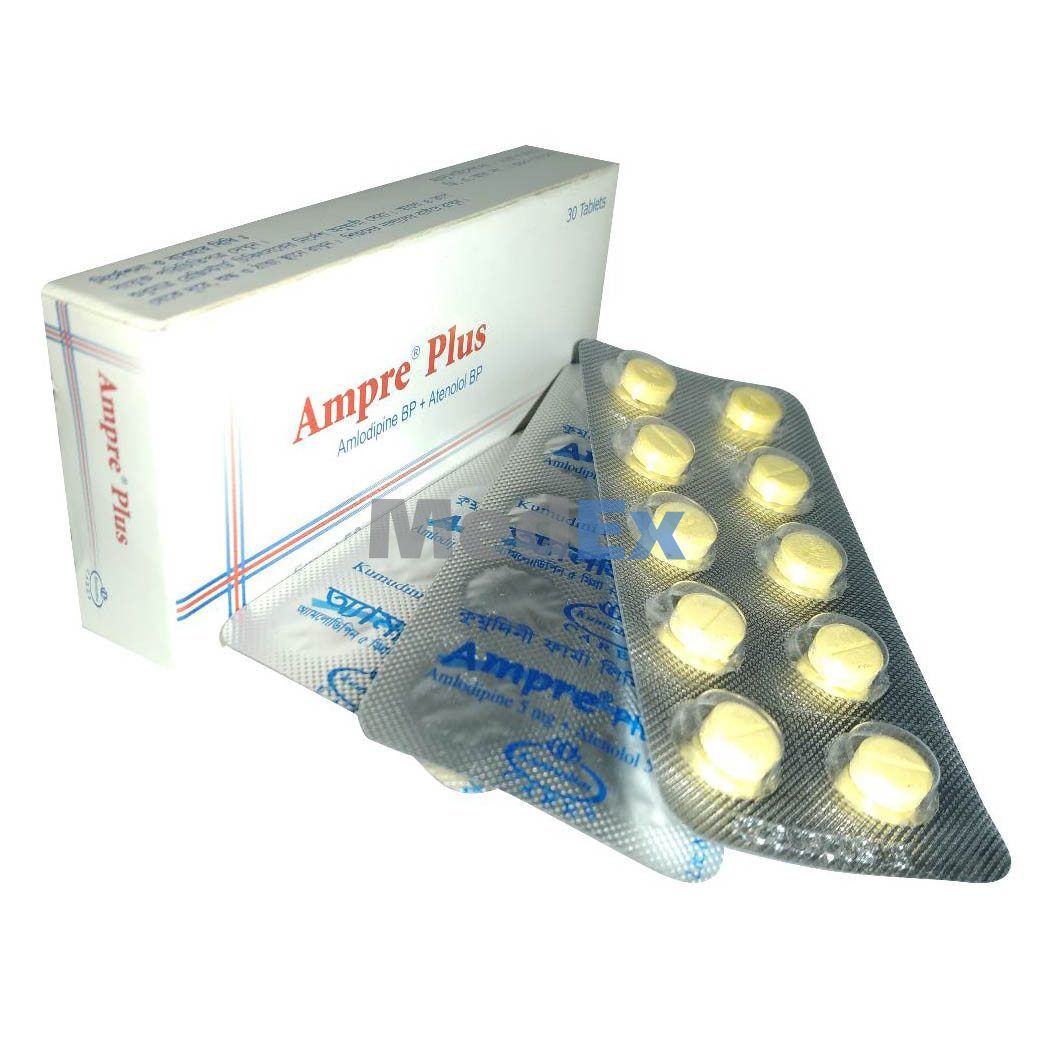
Ampre Plus
BC-Card
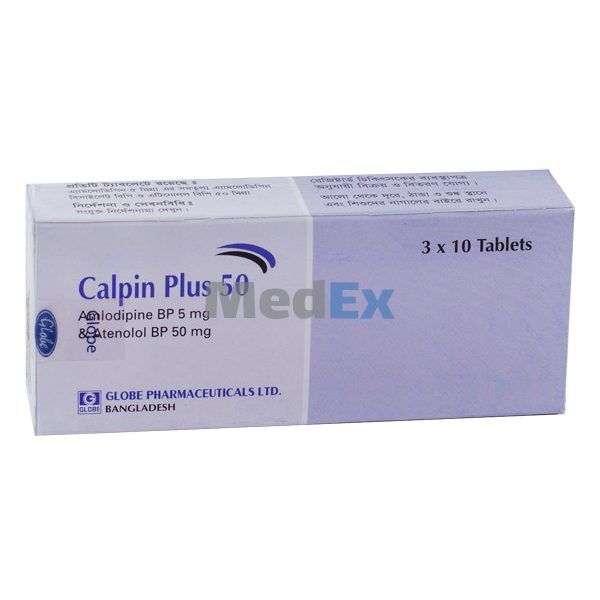
Calpin Plus
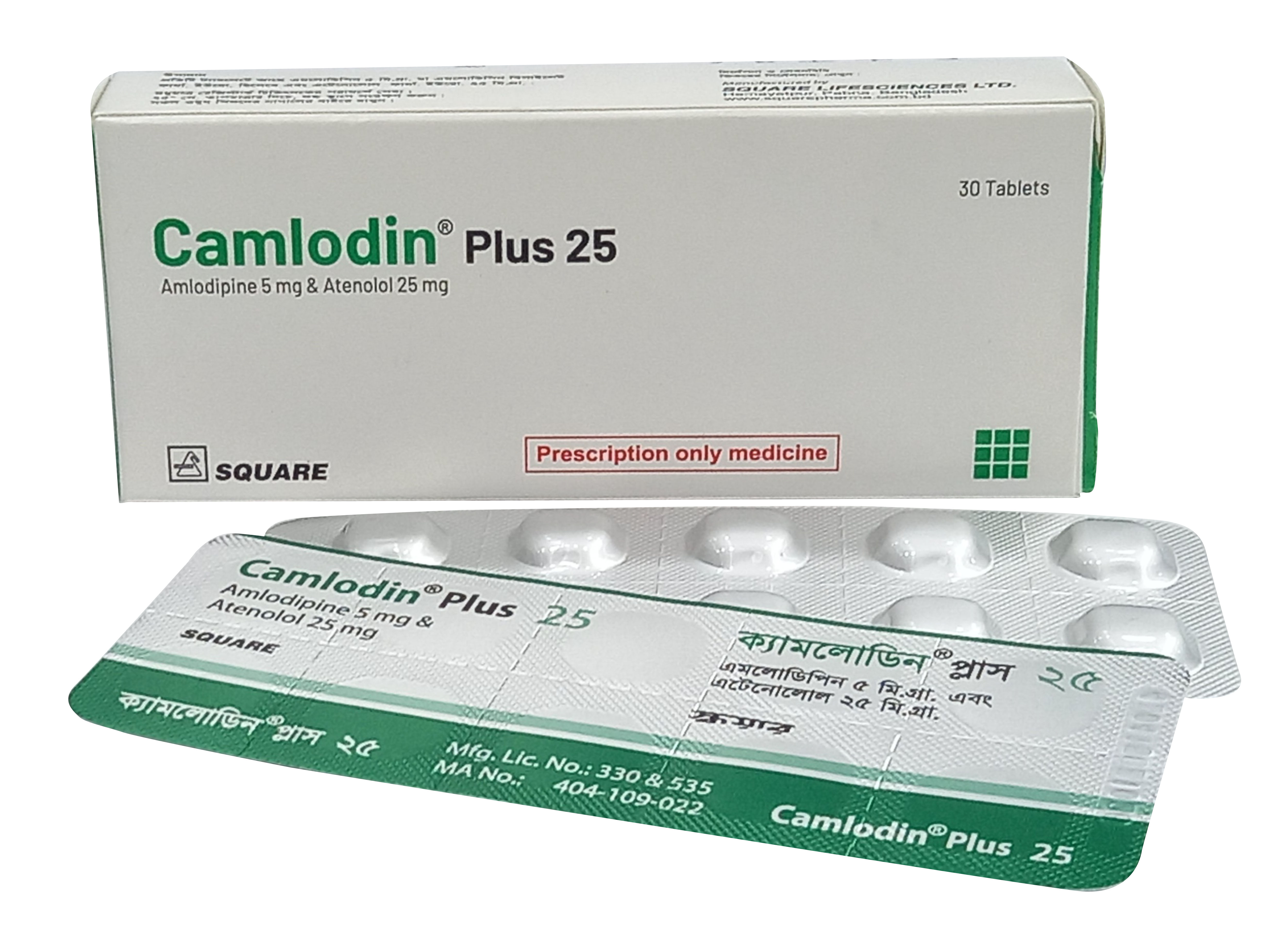
Camlodin Plus
Cardifort Plus
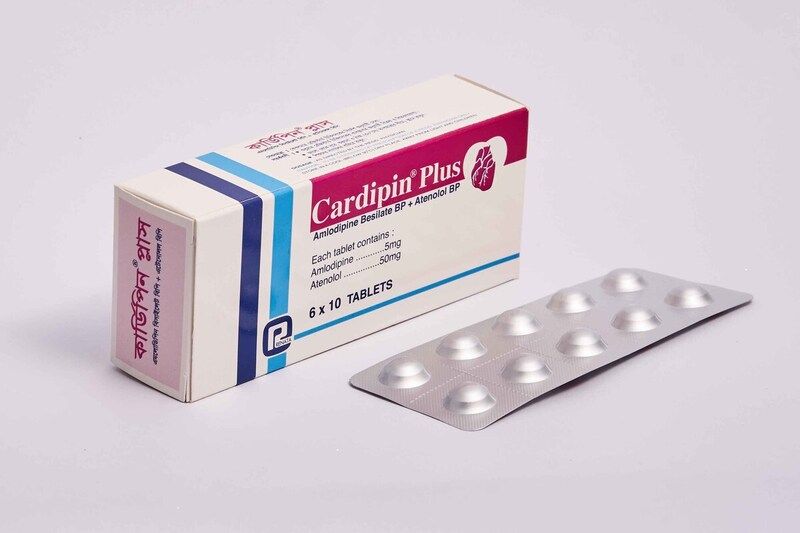
Cardipin Plus
Dipicard Plus
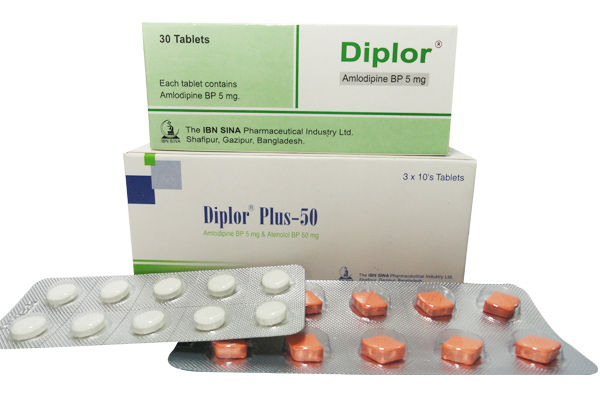
Diplor Plus
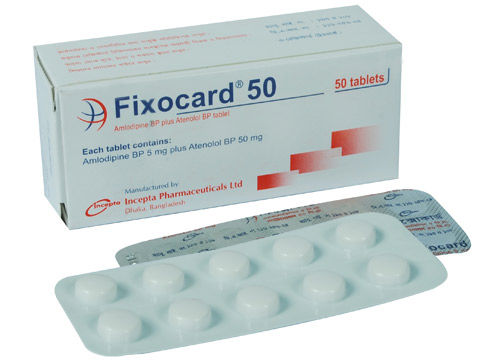
Fixocard
Hipre Plus
Ipin Plus
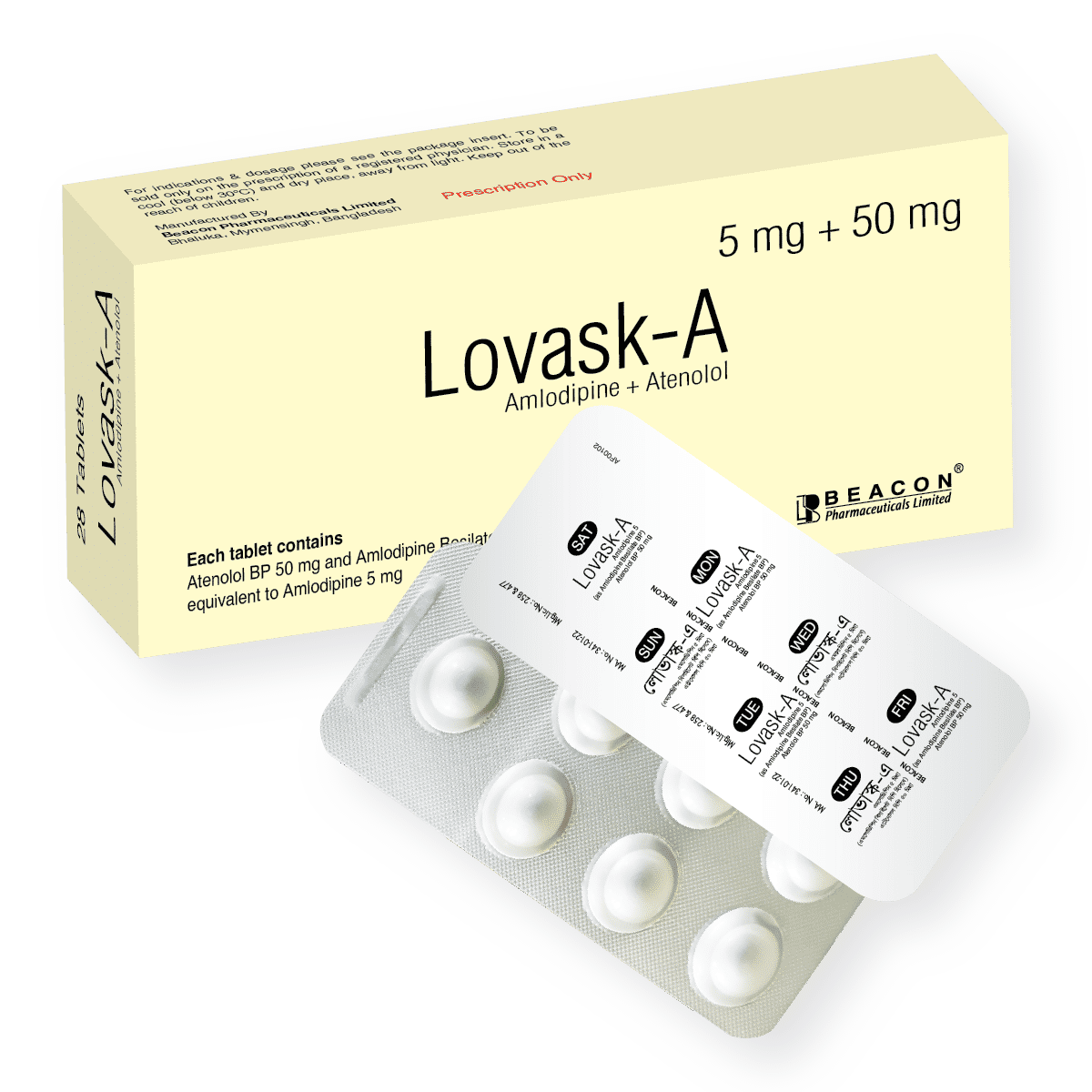
Lovask-A
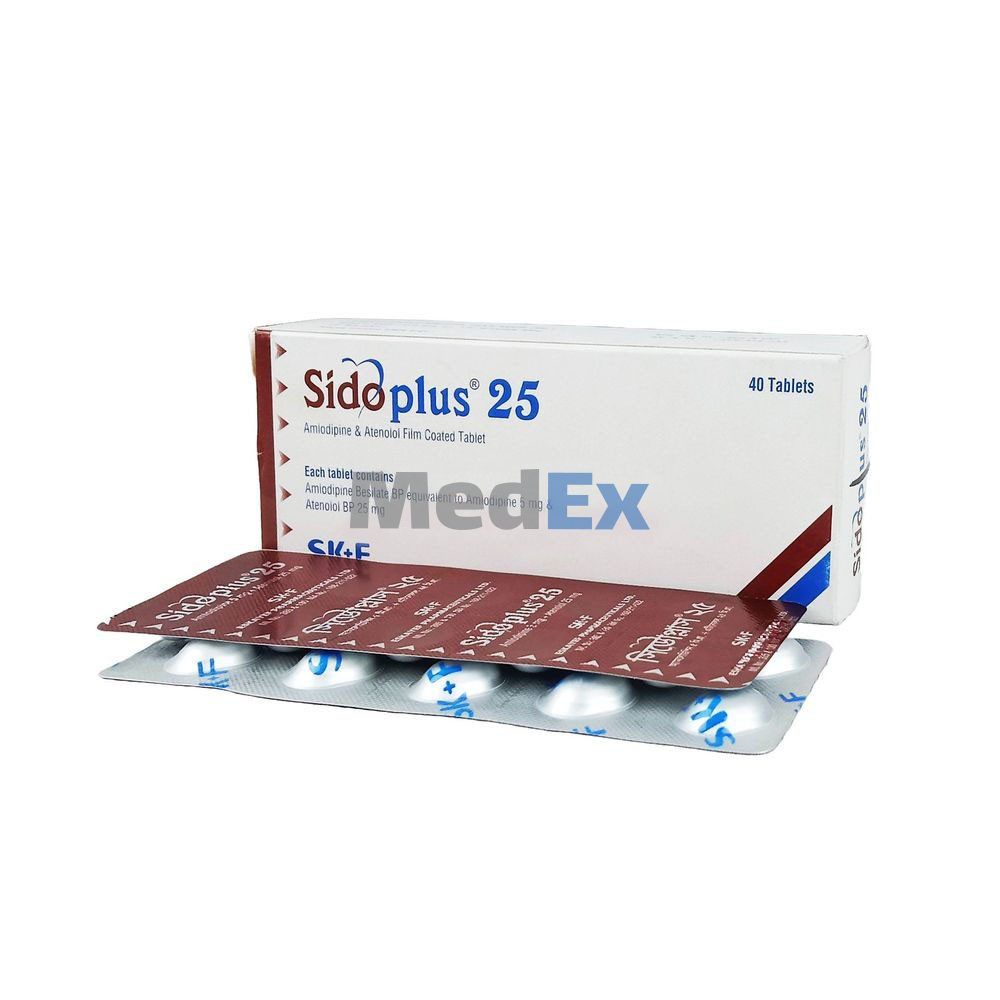
Sidoplus
Tenodin
Ticard Plus
Veridipin Plus
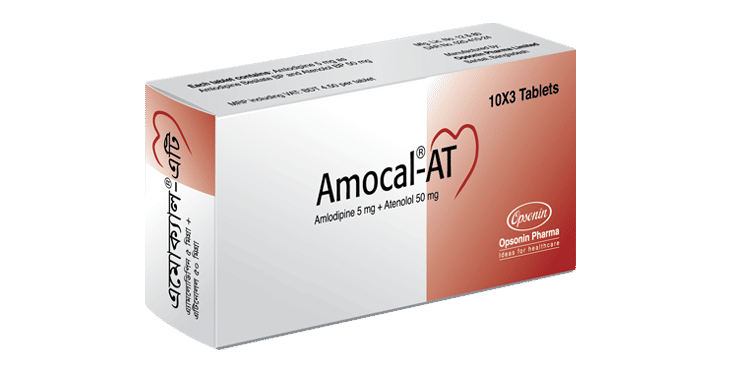
Amocal-AT
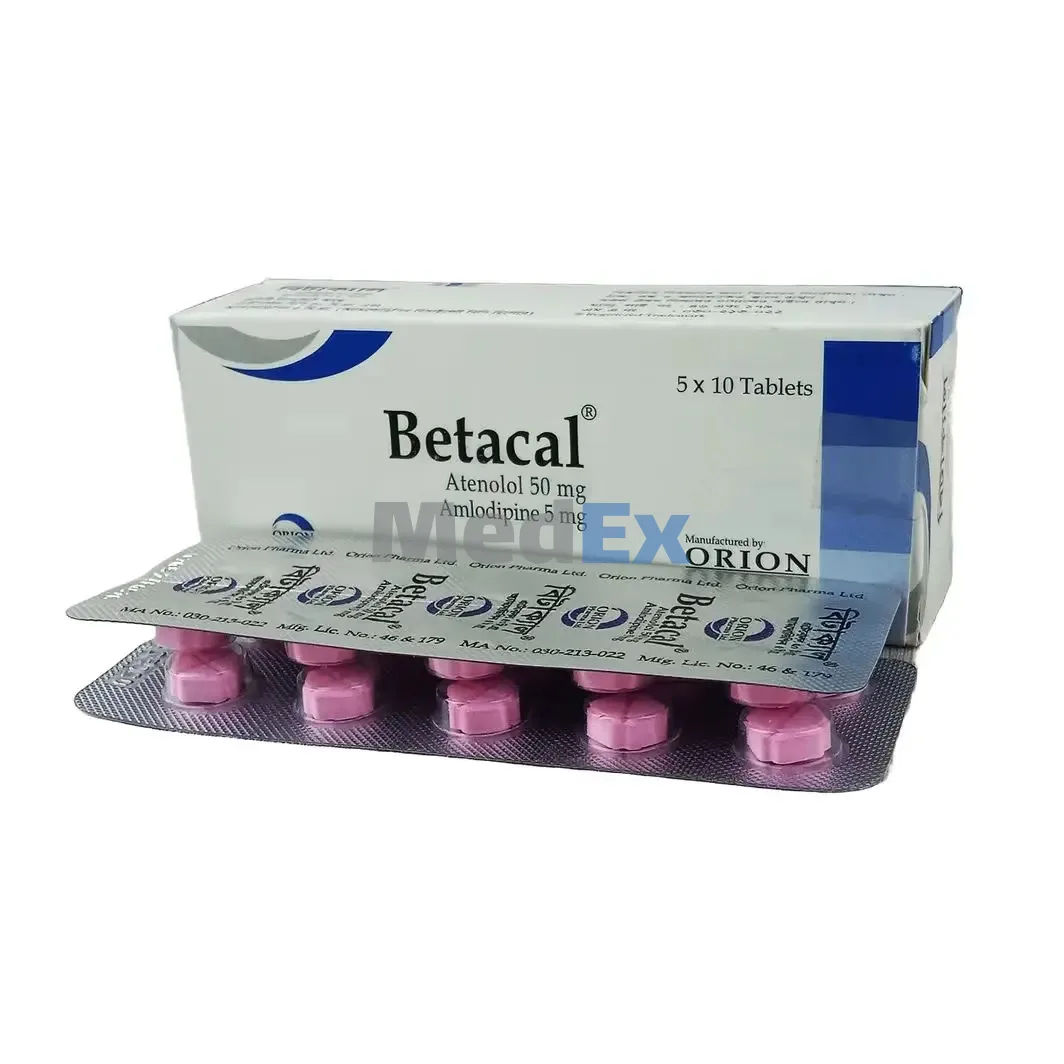
Betacal
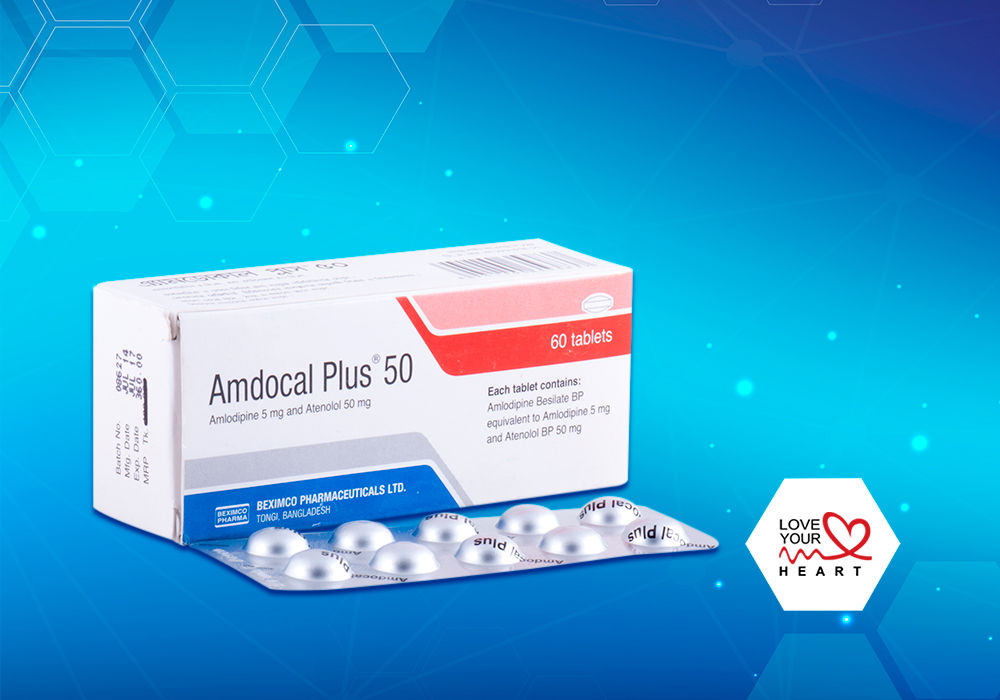
Amdocal Plus
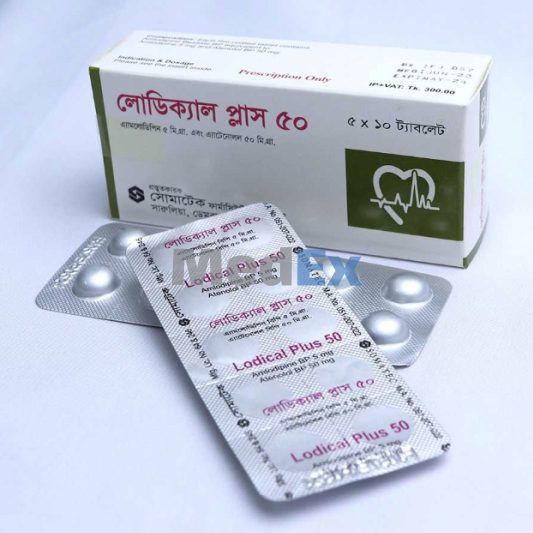
Lodical Plus
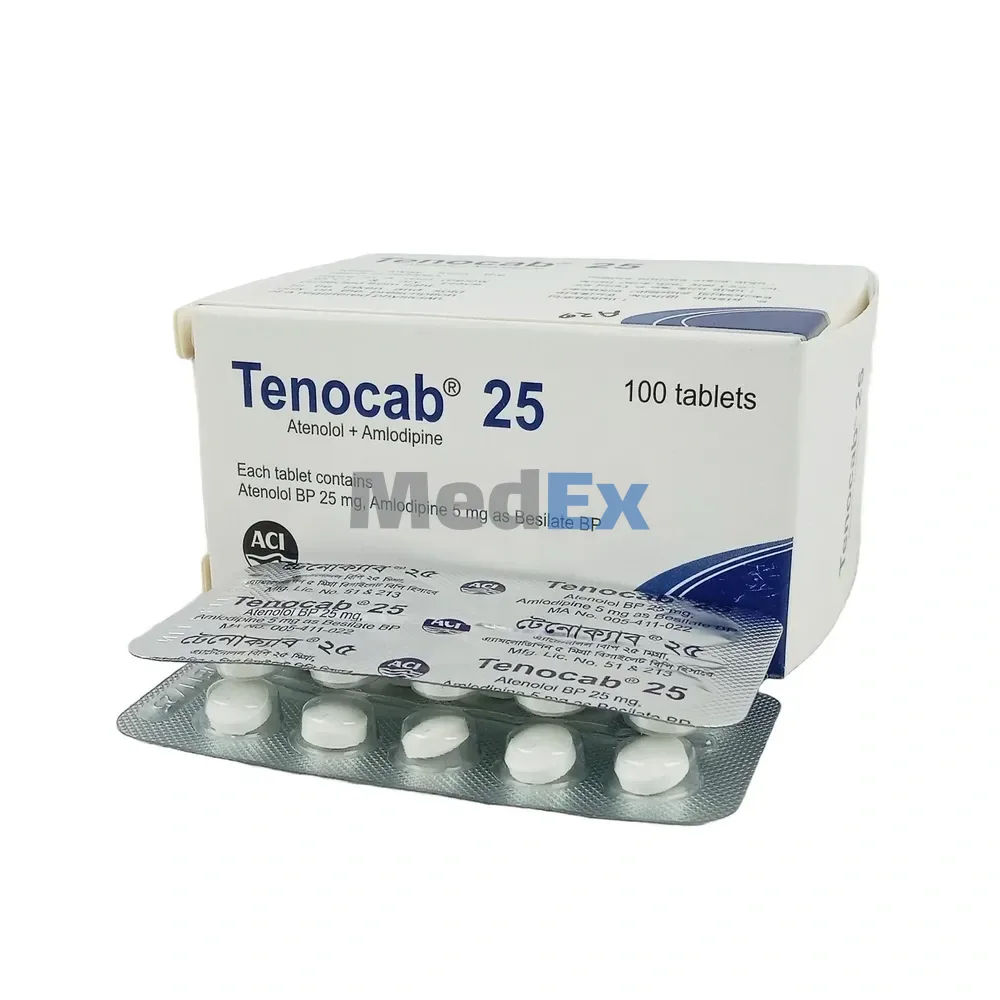
Tenocab
Acudipin Plus
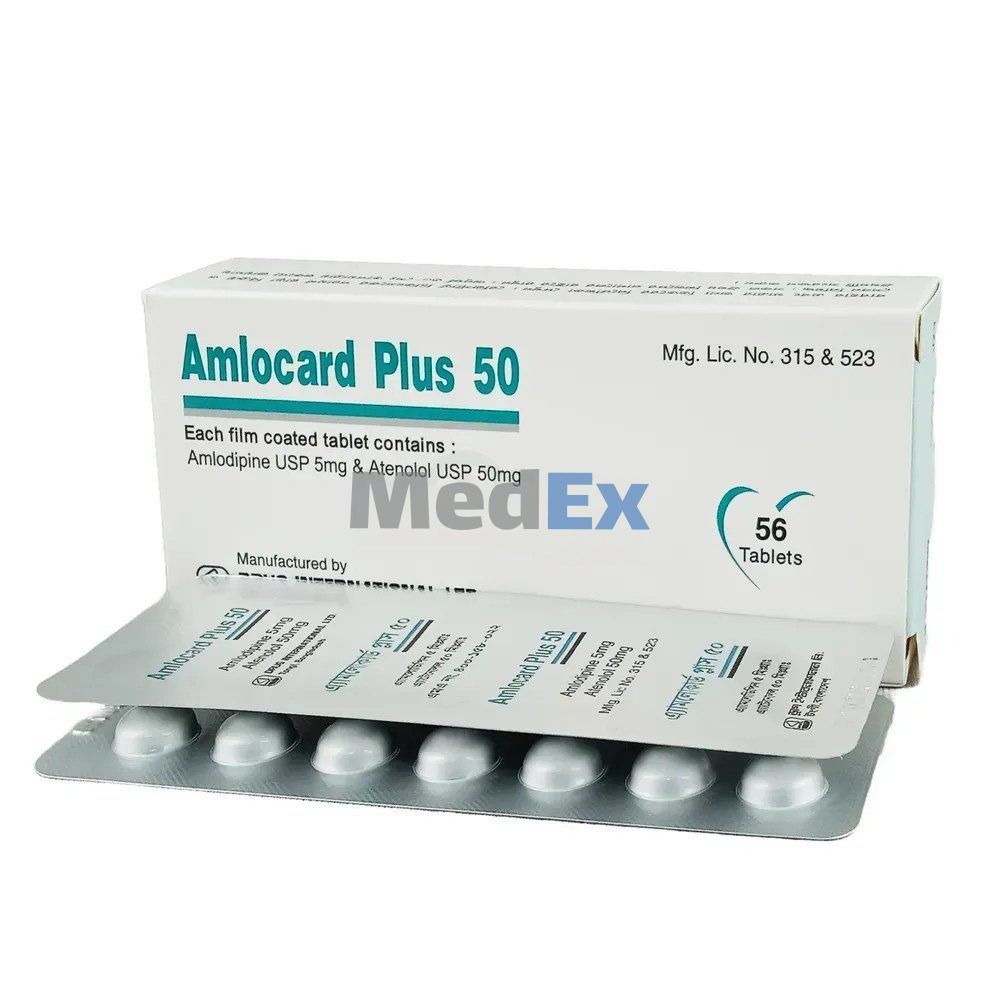
Amlocard Plus
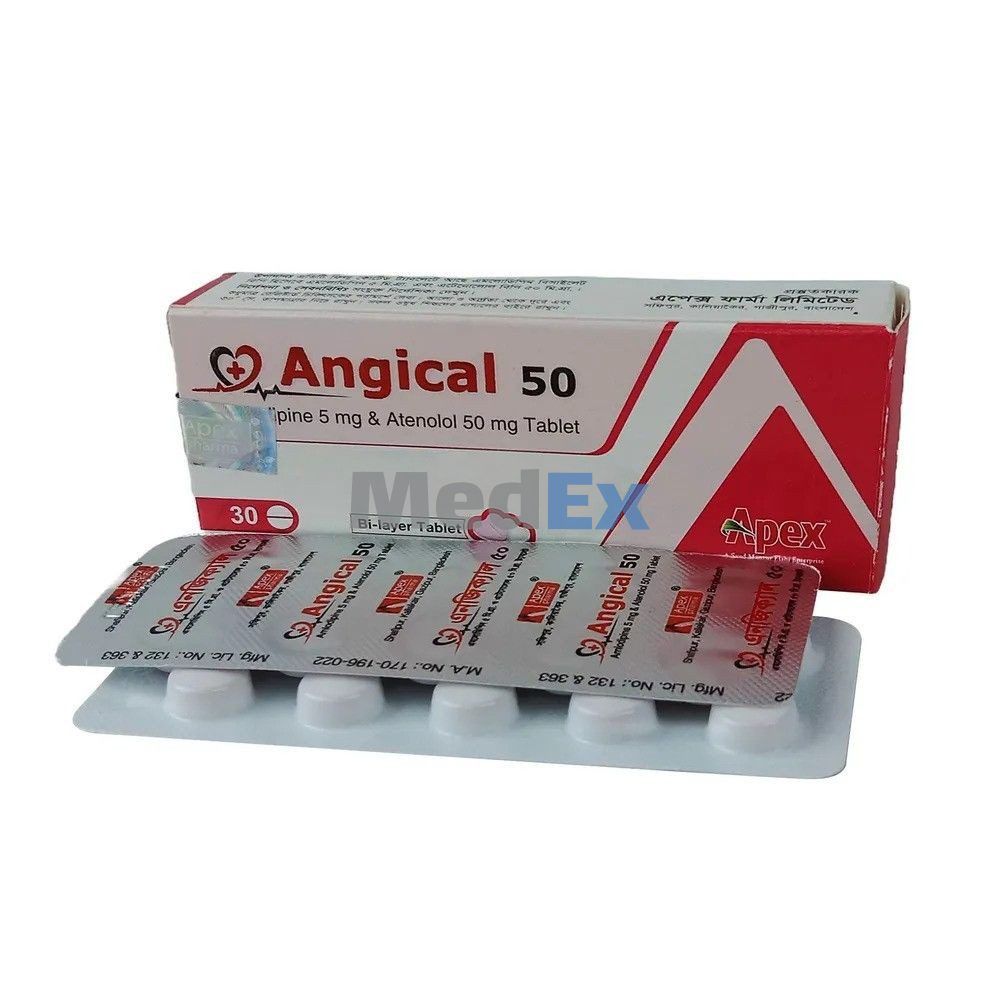
Angical
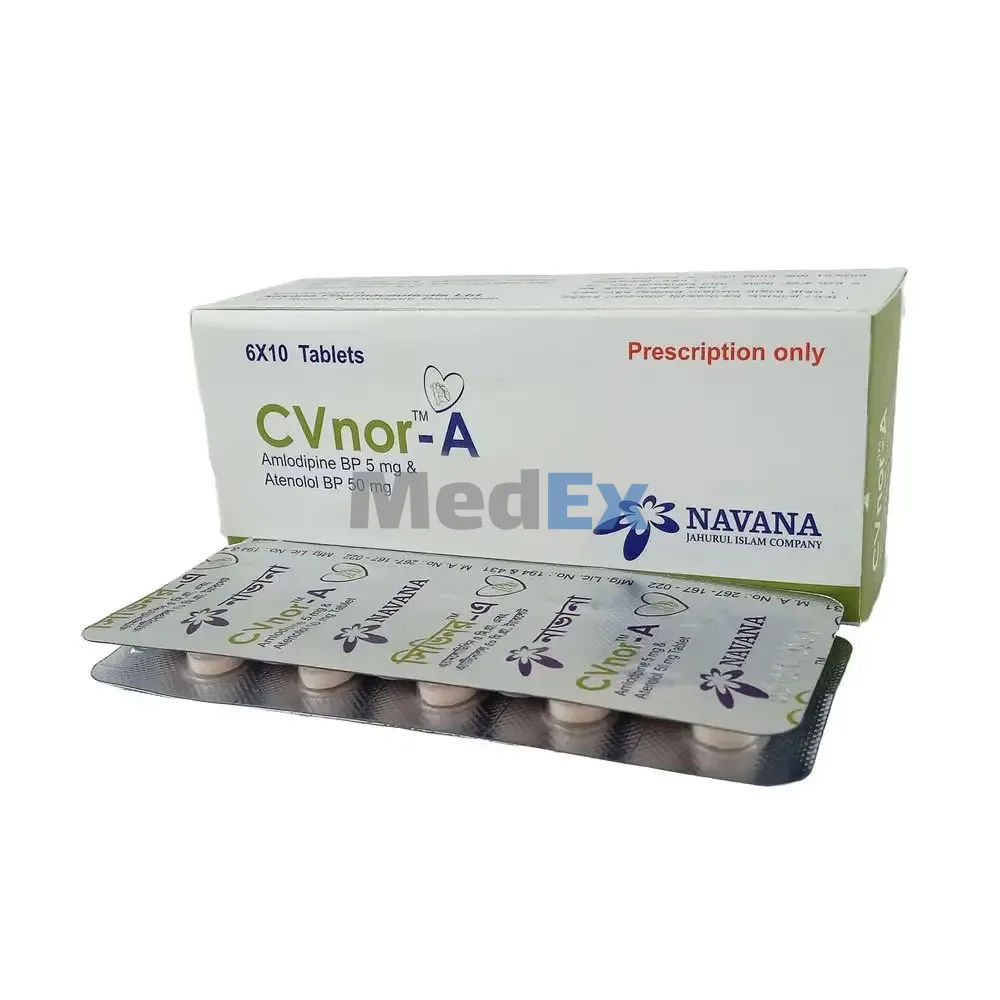
CVnor-A
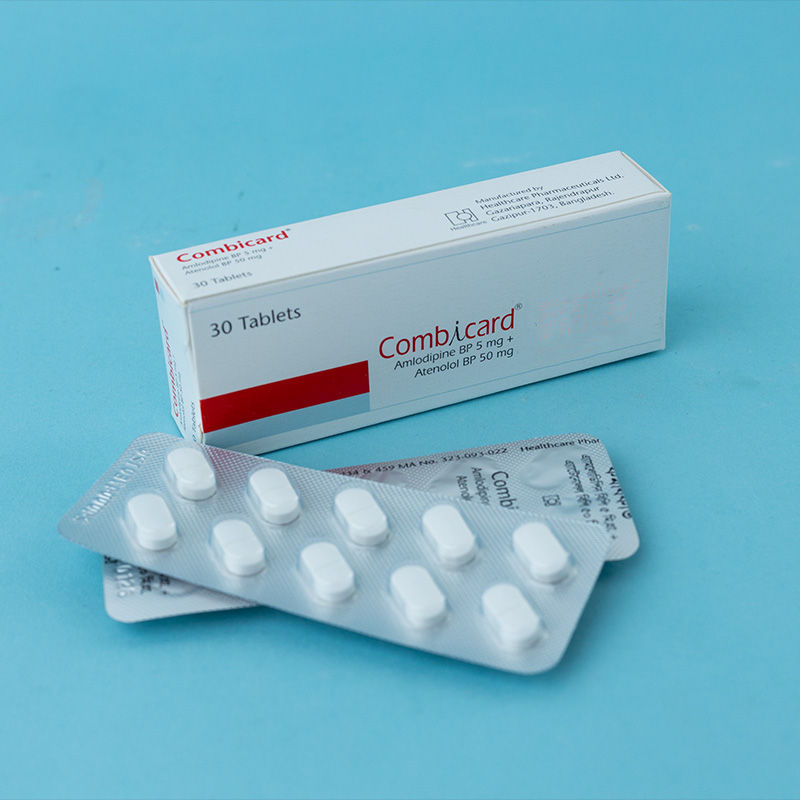
Combicard
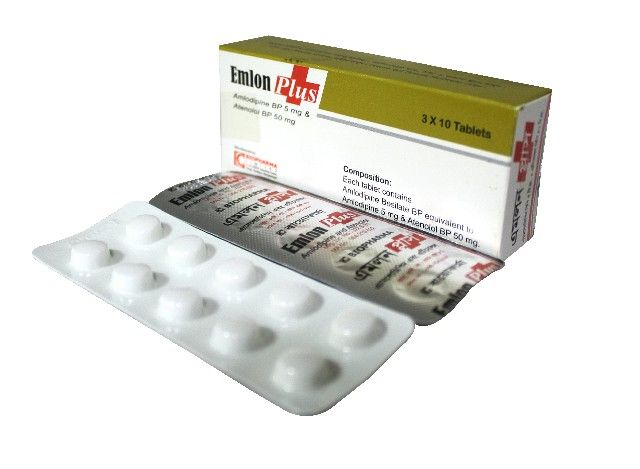
Emlon Plus
Vesocal Plus
Ampress Plus
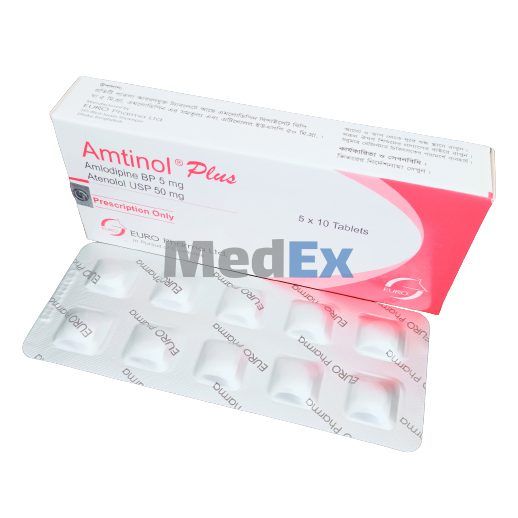
Amtinol Plus
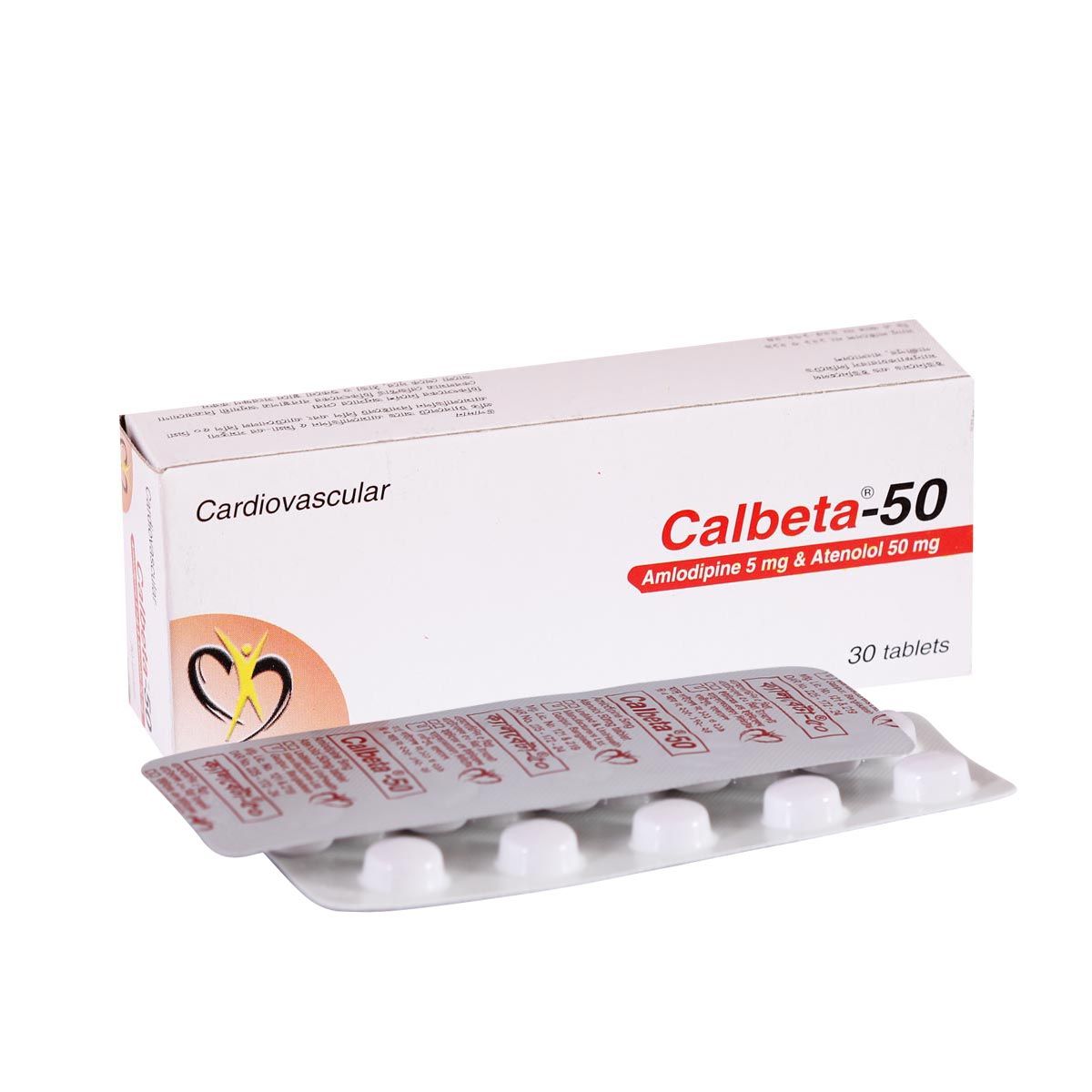
Calbeta
Amicard Plus
Amloten
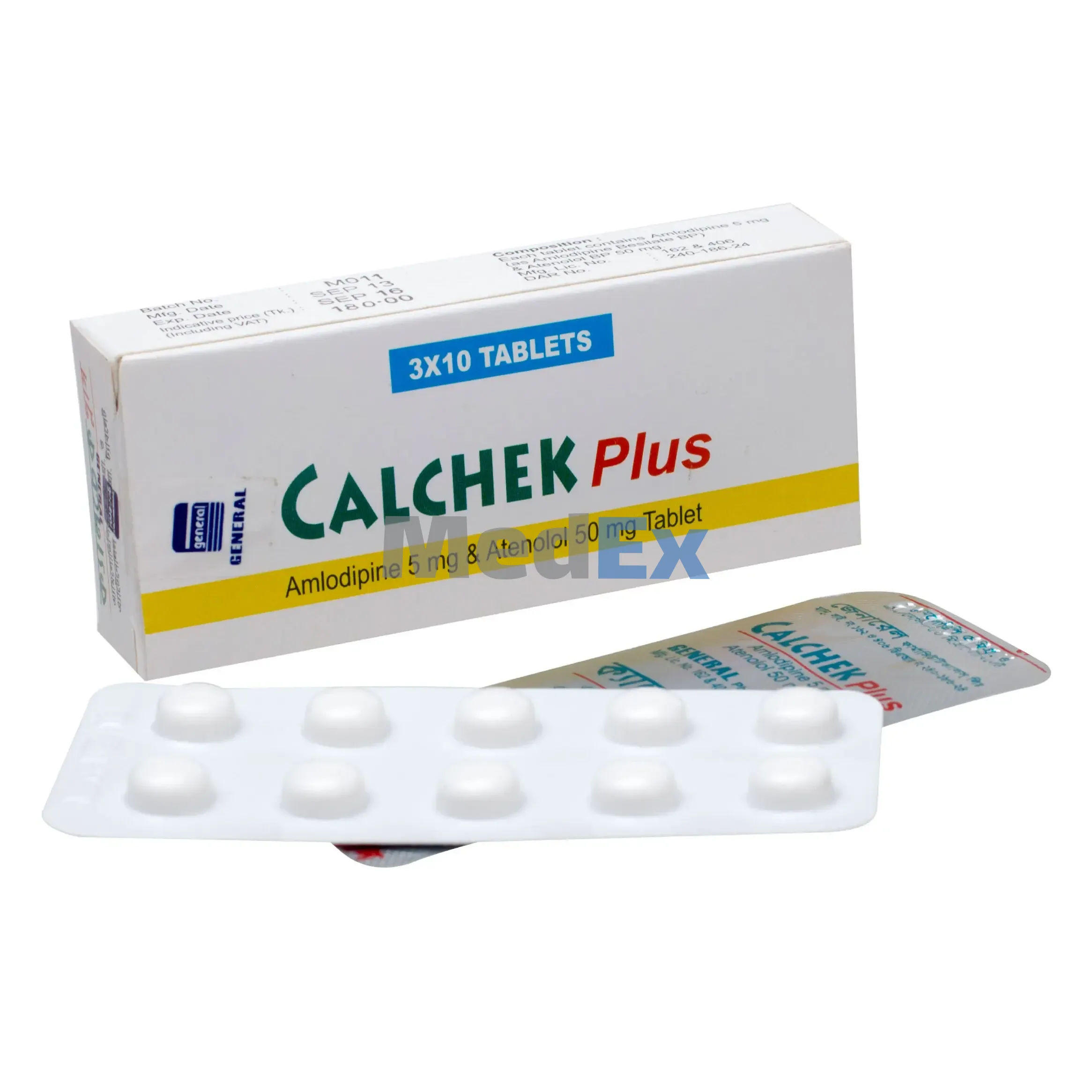
Calchek Plus
Camlodin Plus
Fixocard
Lodicard
SCD
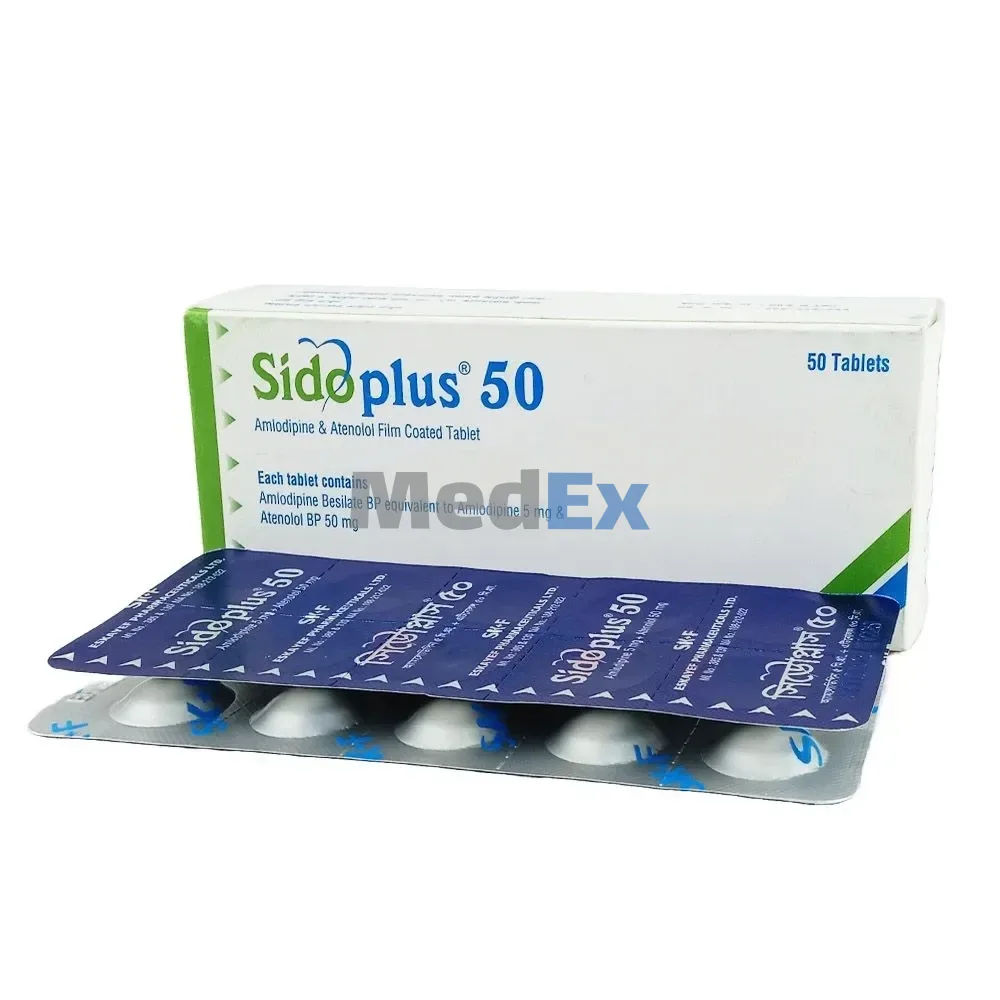
Sidoplus
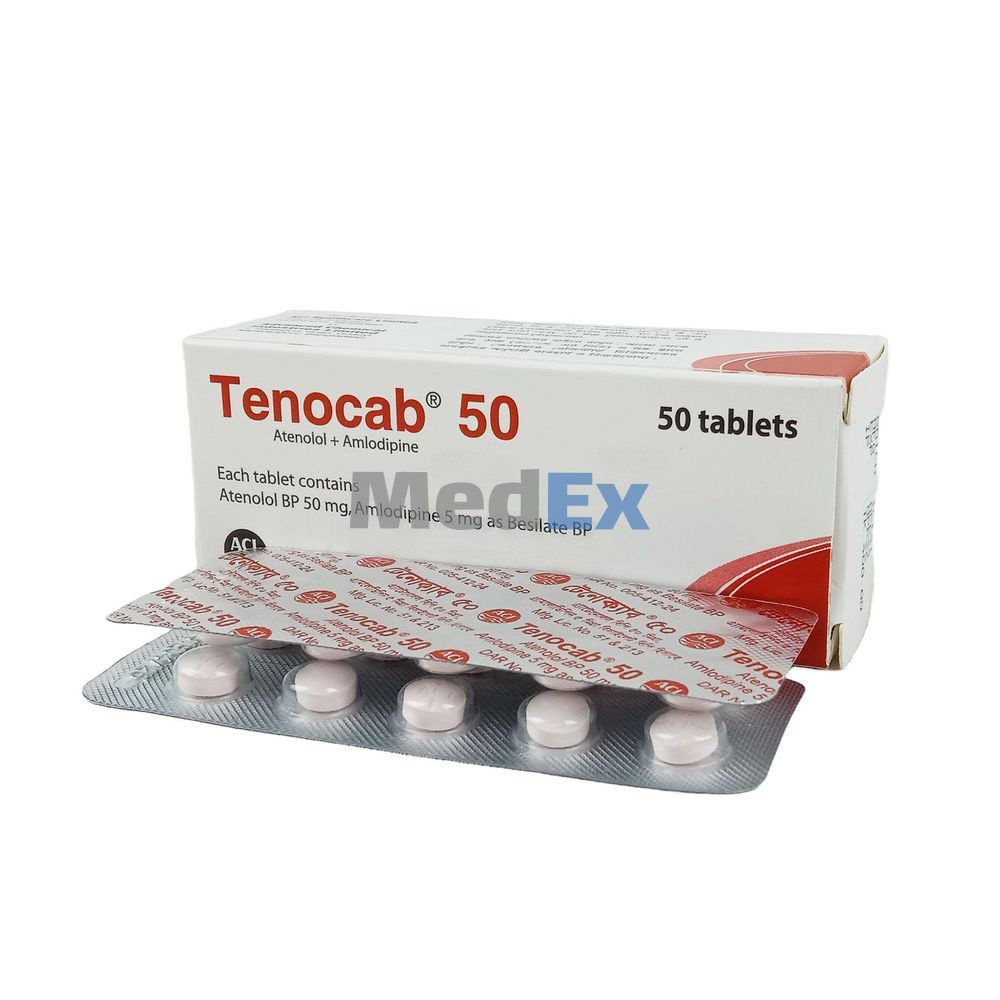
Tenocab
Amdocal Plus
📖 Official Clinical Monograph
DGDA Approved Prescribing GuidelinesAcudipin Plus is indicated in-
Patients with essential hypertension
Patients with angina pectoris & hypertension as co-existing diseases
ln post Ml patients
ln patients with refractory angina pectoris where nitrate therapy has failed.
The recommended dosage is Amlodipine and Atenolol 5/25 mg tablet once daily. If necessary, the dosage may be increased to 5/25 mg two tablets daily or as advised by the physicians. The dosage however should be individualized.
Hypersensitivity to either component, sinus bradycardia, second and higher degrees of heart block, cardiogenic shock, hypotension, congestive heart failure, poor left ventricular function.
The combination of Amlodipine and Atenolol is well tolerated. Overall side-effects include
fatigue, headache, edema, nausea, drowsiness, anxiety and depression.
Bronchospasm
: The combination should be used with caution in patients with airway obstruction.
Renal impairment
: The combination can be used in patients with renal impairment. However, caution may be necessary if the creatinine clearance is less than 30 ml/min because of possible reduction in the excretion of unchanged Atenolol.
Hepatic impairment
: Caution may be necessary in the use of the combination in patients with severe liver damage because of prolongation of the elimination half-life of Amlodipine.
Drug withdrawal
: Since coronary heart disease may exist without being recognized, patients should be warned against stopping the drug suddenly. Any discontinuation should be gradual and under observation.
This is a fixed-dose combination of Amlodipine and Atenolol. Amlodipine is a dihydropyridine calcium antagonist that inhibits the transmembrane influx of calcium ions into vascular smooth muscle and cardiac muscle; it has a greater effect on vascular smooth muscle than on cardiac muscle. Amlodipine is a peripheral vasodilator that acts directly on vascular smooth muscle to cause a reduction in peripheral vascular resistance and reduction in blood pressure. Amlodipine reduces tone, decreases coronary vasoreactivity and lowers cardiac demand by reducing afterload.
Atenolol is a cardioselective beta-blocker. The cardio-selectivity is dose-related. Atenolol causes a reduction in blood pressure by lowering cardiac output, decreasing the plasma renin activity and sympathetic outflow from CNS. Atenolol also causes a reduction in myocardial oxygen demand by virtue of its negative inotropic and negative chronotropic effects.