Amikacin
💊 Brand Formulations & Prices
15 brands sorted by unit price
Psudonil

Cinamak
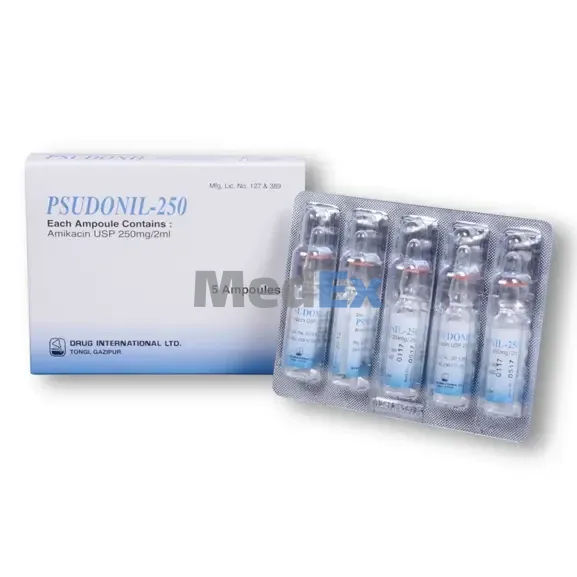
Psudonil
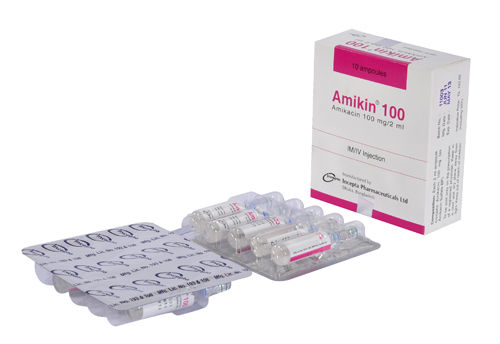
Amikin
Amimax
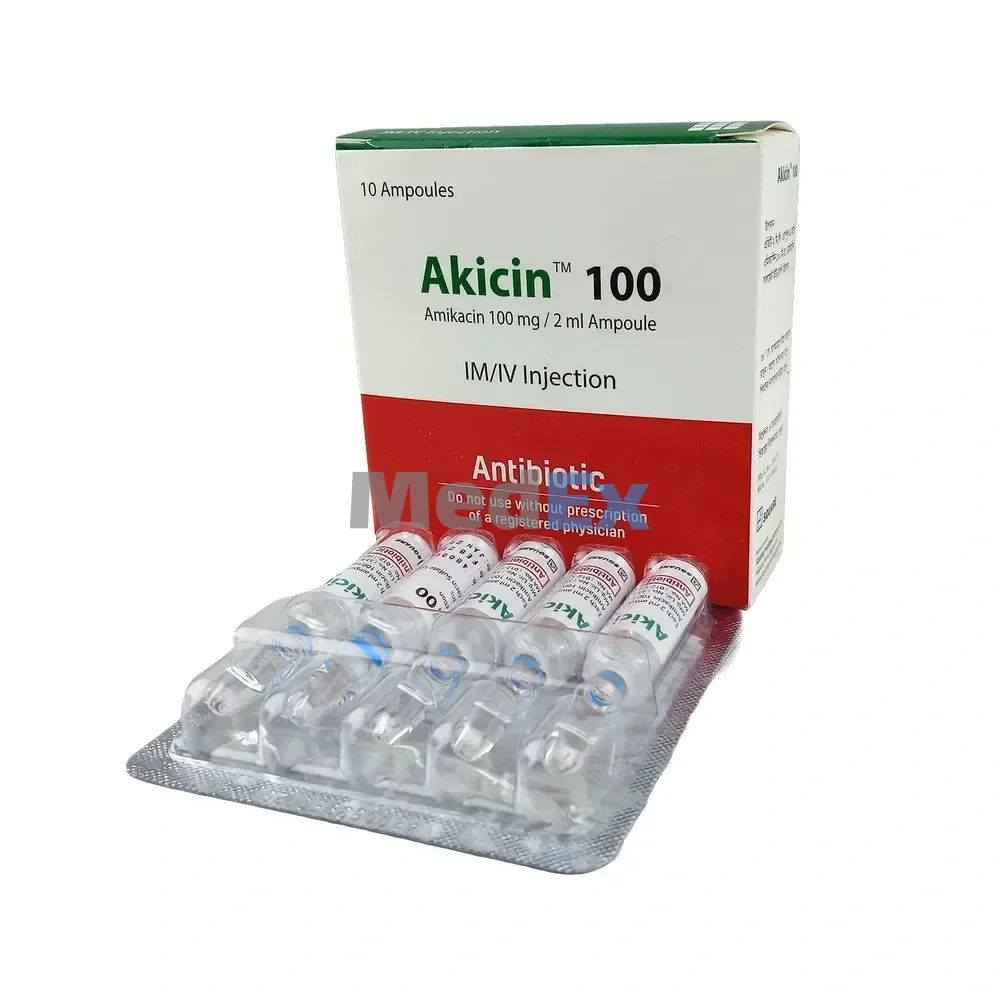
Akicin
Cinamak
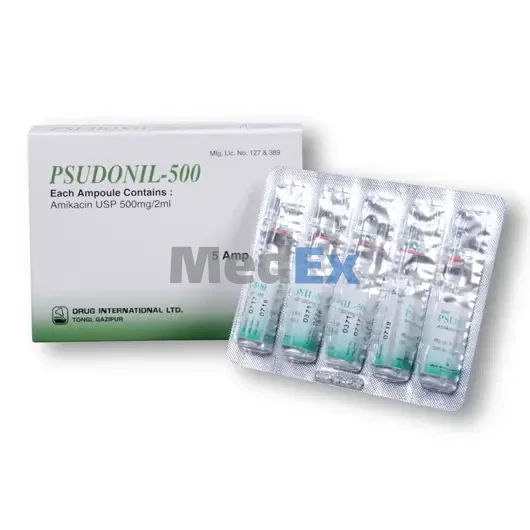
Psudonil
Kacin
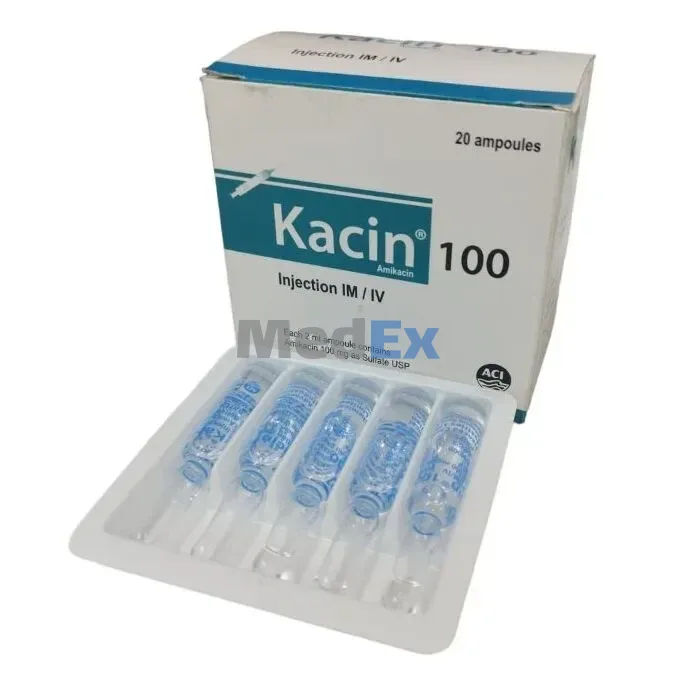
Kacin
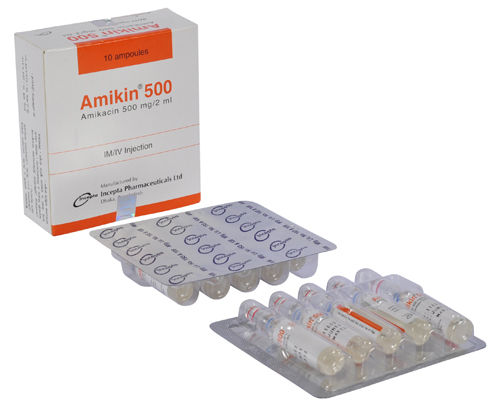
Amikin
Amimax
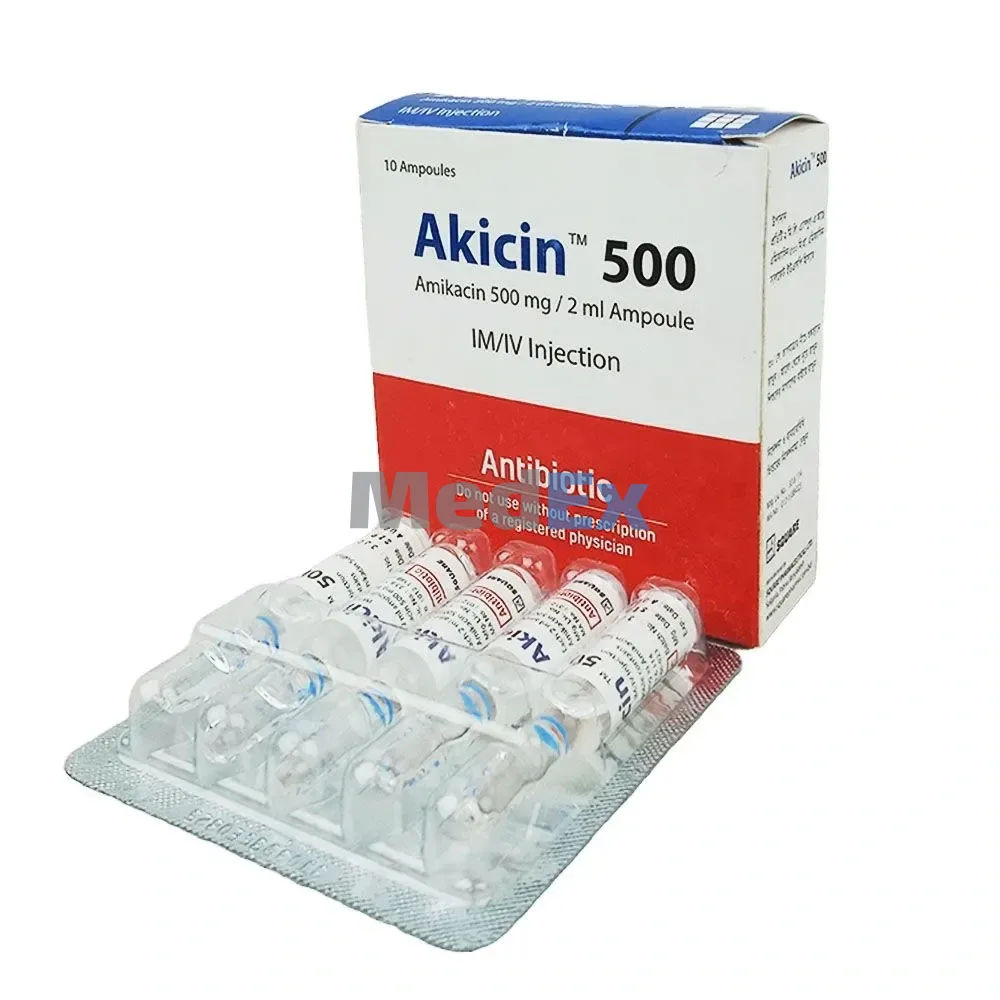
Akicin
Amibac
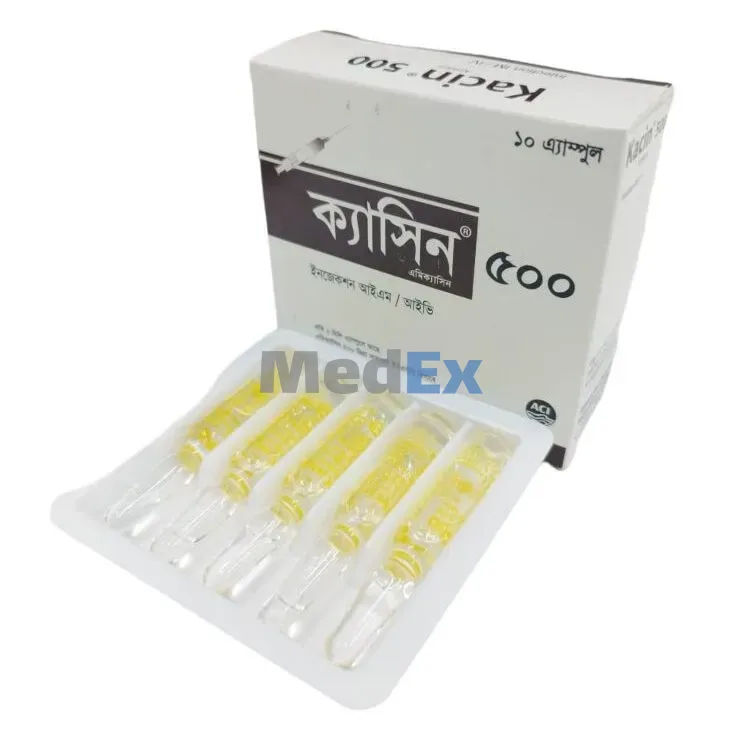
Kacin
📖 Official Clinical Monograph
DGDA Approved Prescribing GuidelinesAkicin is indicated in the short-term treatment of serious infections due to susceptible strains of Gram-negative bacteria. Akicin is effective in bacterial septicemia (including neonatal sepsis); in serious infections of the respiratory tract, bones and joints, central nervous system (including
... Read more
Akicin is indicated in the short-term treatment of serious infections due to susceptible strains of Gram-negative bacteria. Akicin is effective in bacterial septicemia (including neonatal sepsis); in serious infections of the respiratory tract, bones and joints, central nervous system (including meningitis) and skin and soft tissue; intra-abdominal infections (including peritonitis); and in burns and postoperative infections (including postvascular surgery). Clinical studies have shown Akicin also to be effective in serious complicated and recurrent urinary tract infections due to those organisms.
Akicin was effective in infections caused by gentamicin and/or tobramycin-resistant strains of Gram-negative organisms, particularly Proteus rettgeri, Providencia stuartii, Serratia marcescens, and Pseudomonas aeruginosa.
Akicin has also been shown to be effective in staphylococci infections and may be considered as initial therapy under certain conditions in the treatment of known or suspected staphylococcal disease such as, severe infections where the causative organism may be either a Gram-negative bacterium or a staphylococcus.
Amikacin Injection is contraindicated in patients with a known history of hypersensitivity to Amikacin, any constituents of the injection.
The adverse effects have been reported with the use of Akicin are tinnitus, vertigo, partial reversible or irreversible deafness, skin rash, drug fever, headache, paraesthesia, nausea and vomiting.
Since Akicin is present in high concentrations in the renal excretory system, patients should be well hydrated to minimize chemical irritation of the renal tubules. If azotemia increases, treatment should be stopped. Monitoring of renal function during treatment with aminoglycosides is particularly important.
Amikacin Sulfate is a semi-synthetic aminoglycoside antibiotic. Amikacin is active in vitro against pseudomonas species, Escherichia coli, Proteus species, Providencia species, Klebsiella-Enterobacter species, Acinetobacter species, and Citrobacter freundii. When strains of the above organisms are found to be resistant to other aminoglycosides, including Gentamicin, TobrAmykin and KanAmykin, many are susceptible to Amikacin. Amikacin sulfate is active in vitro against penicillinase and nonpenicillinase-producing Staphylococcus species including methicillin-resistant strains.