Acyclovir
💊 Brand Formulations & Prices
45 brands sorted by unit price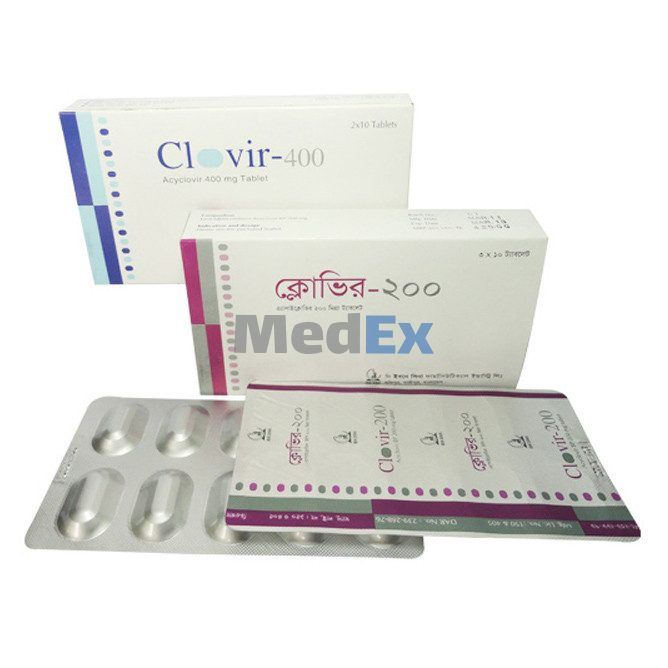
Clovir
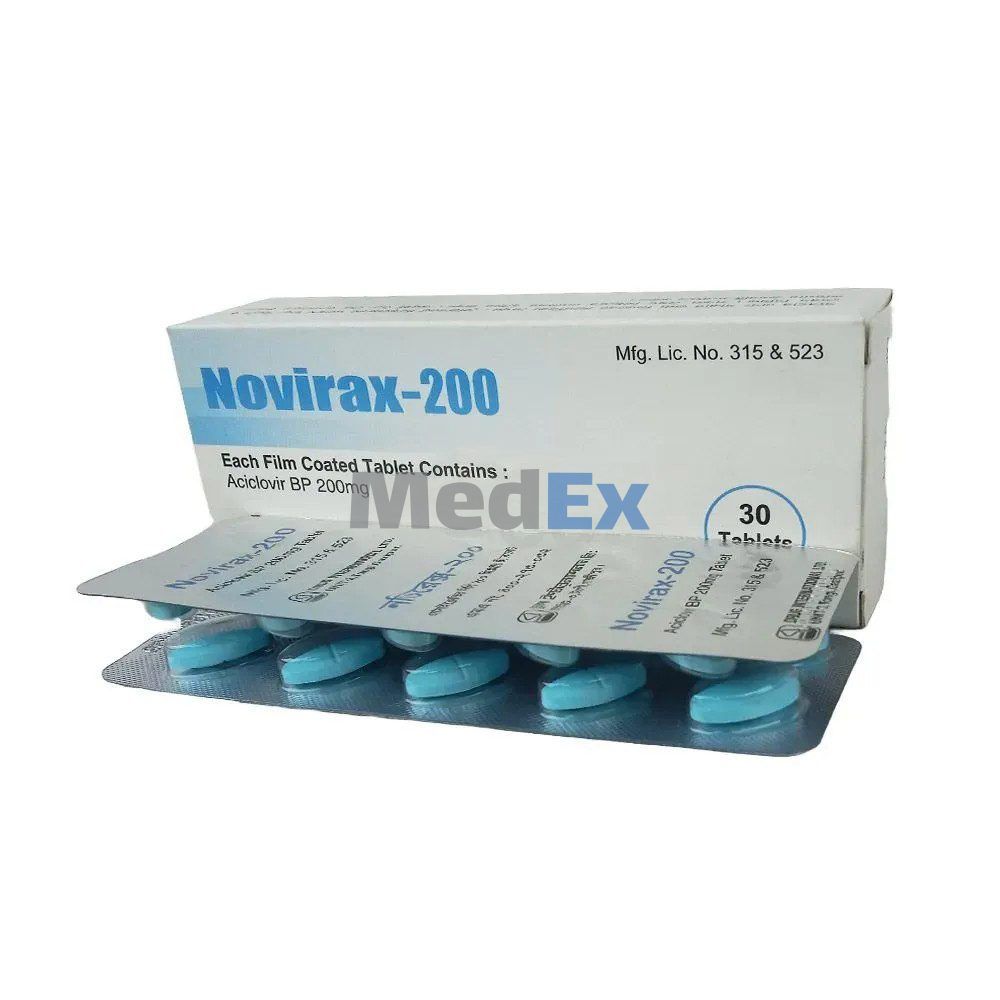
Novirax
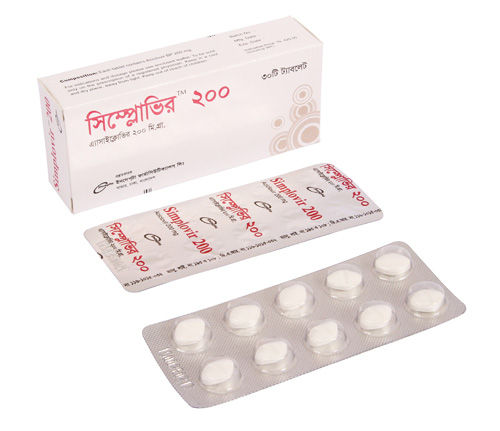
Simplovir

Viroxi
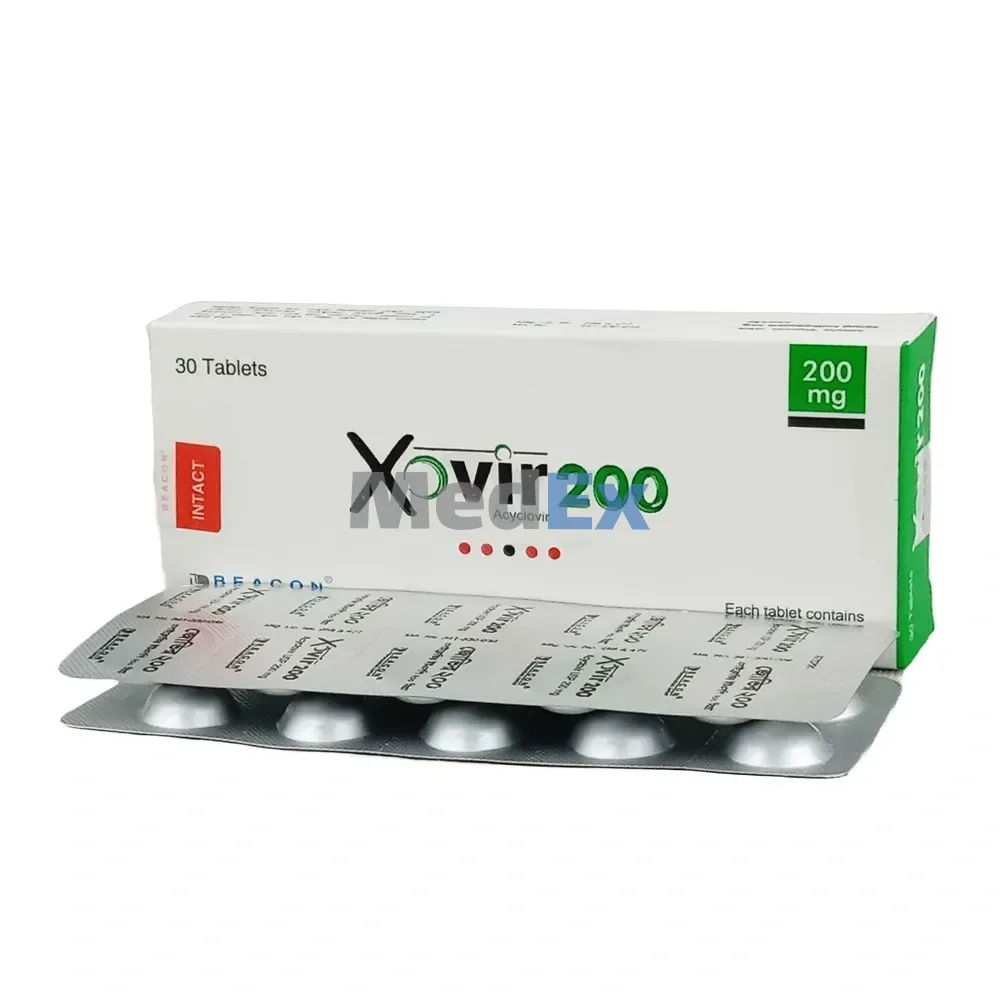
Xovir
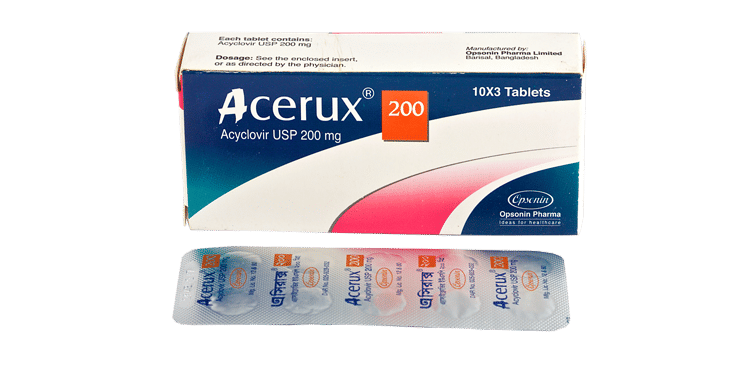
Acerux
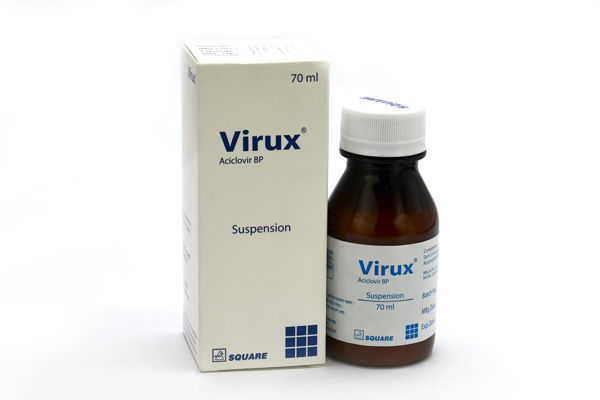
Virux
Acerux
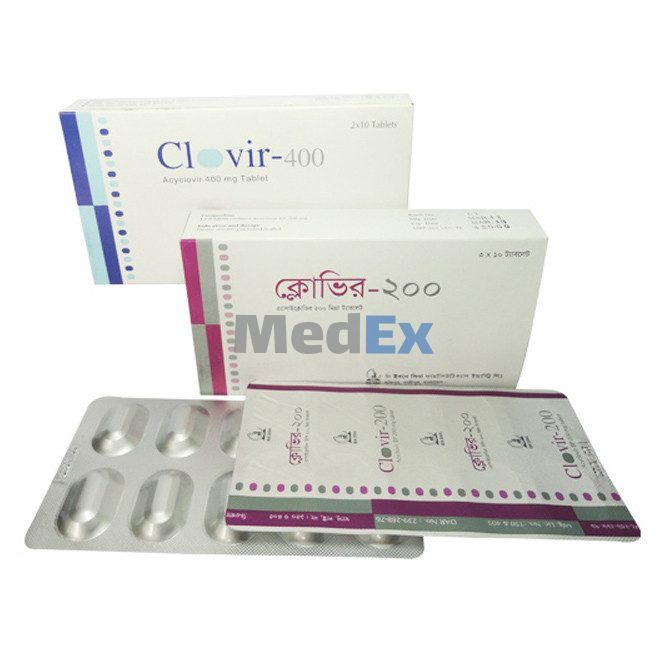
Clovir
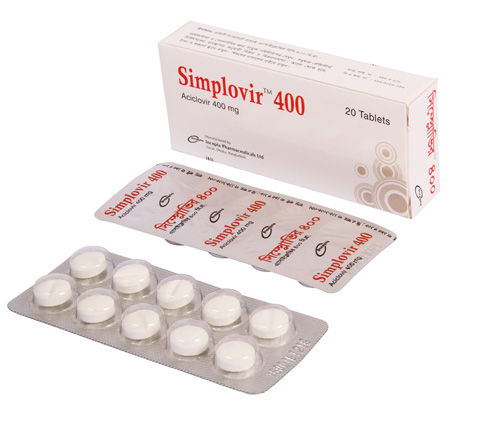
Simplovir
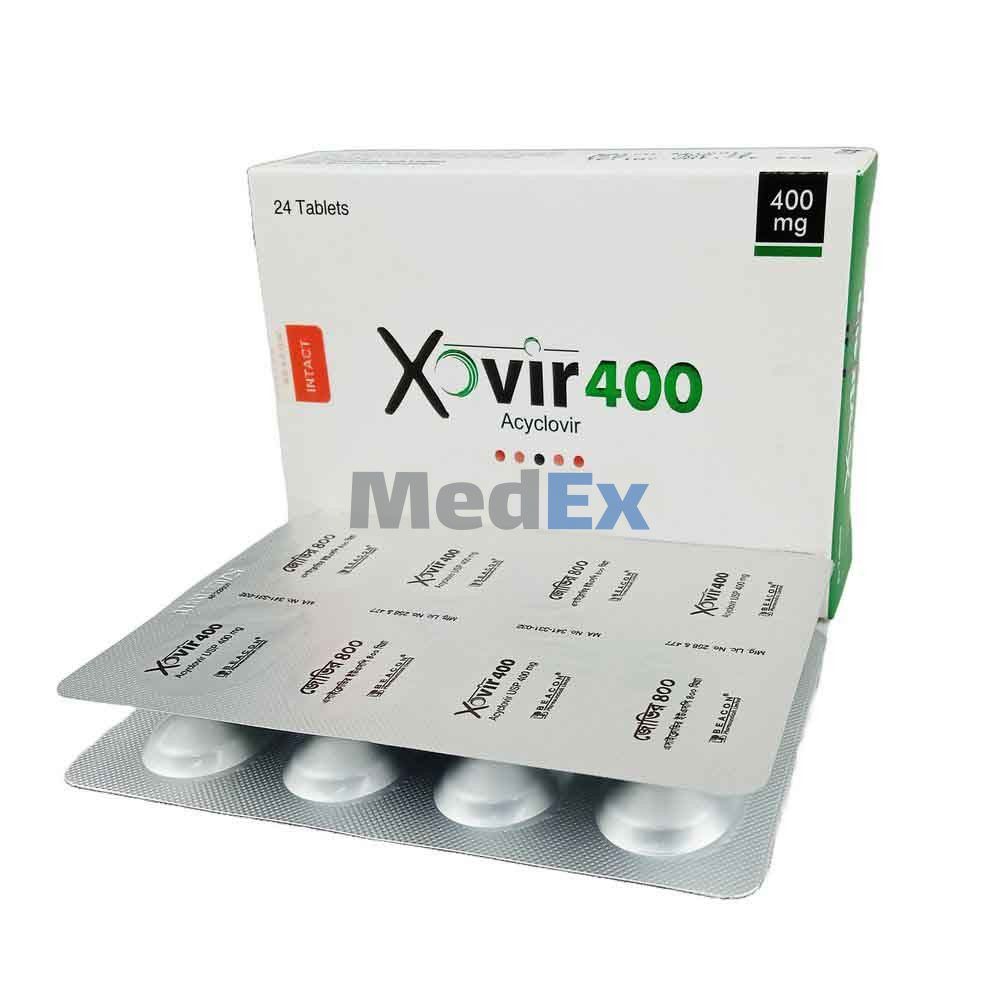
Xovir
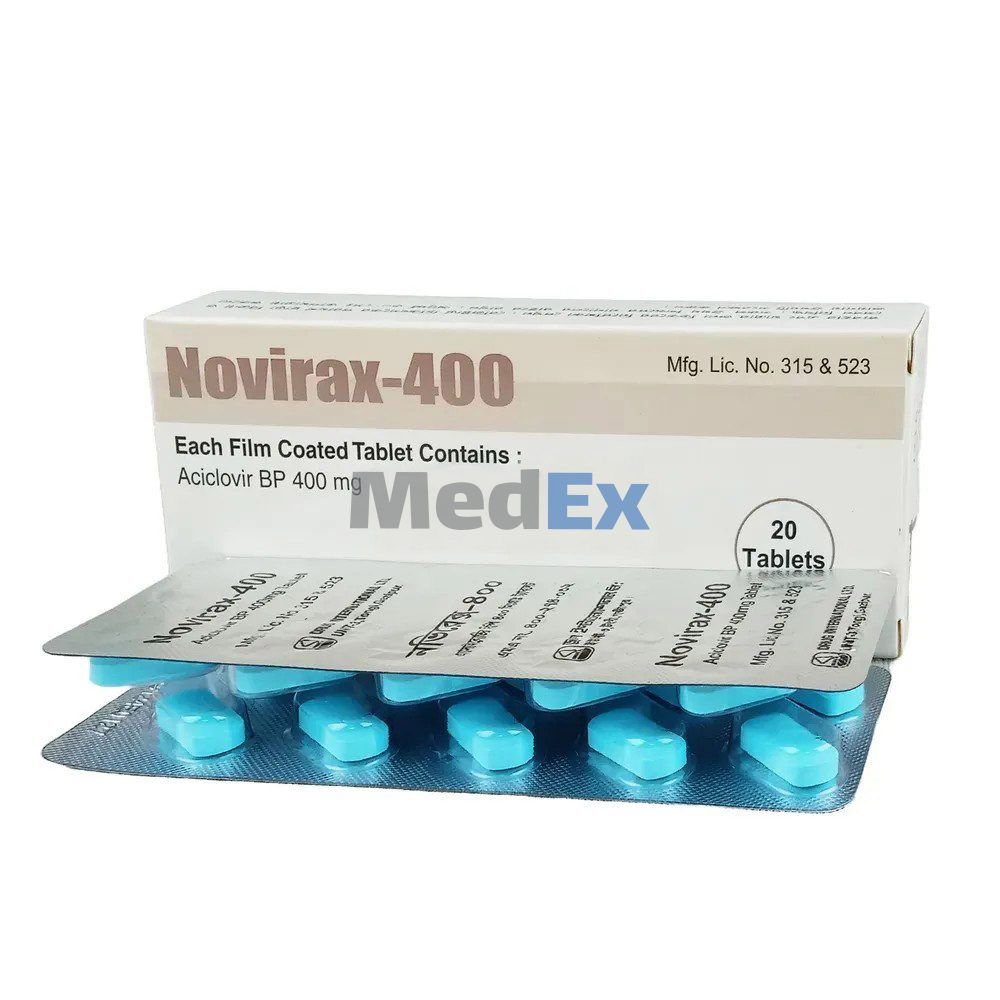
Novirax
Virux

Clovir
Simplovir

Novirax
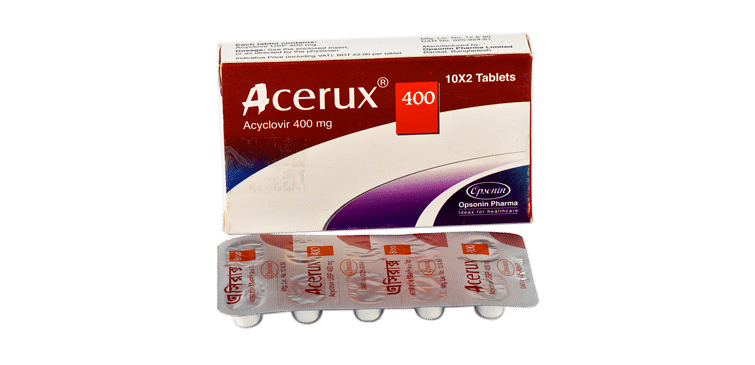
Acerux
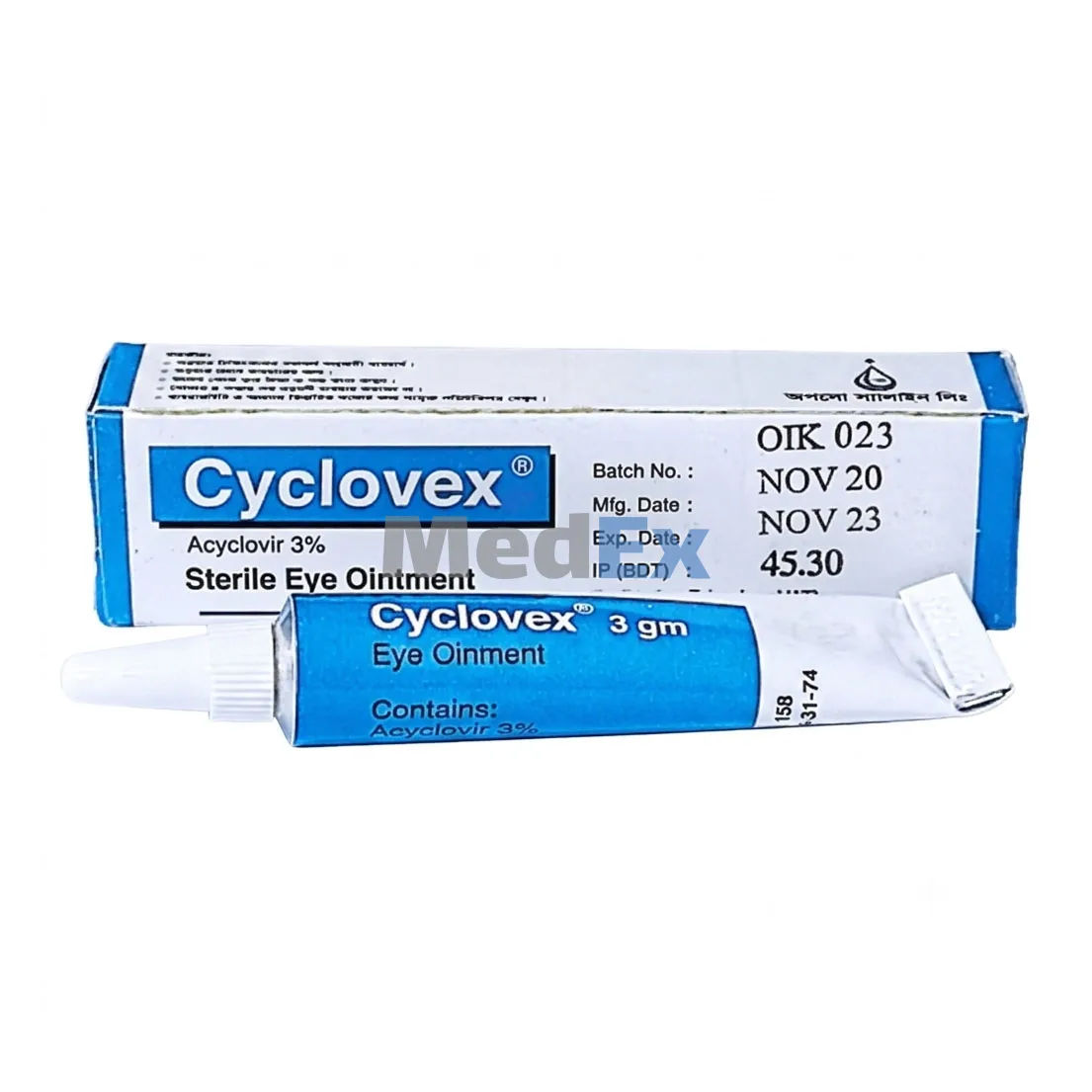
Cyclovex

Aciclon
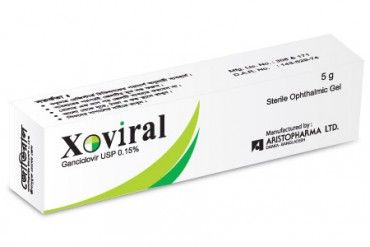
Acyvir
Virux

Xovir
Virine
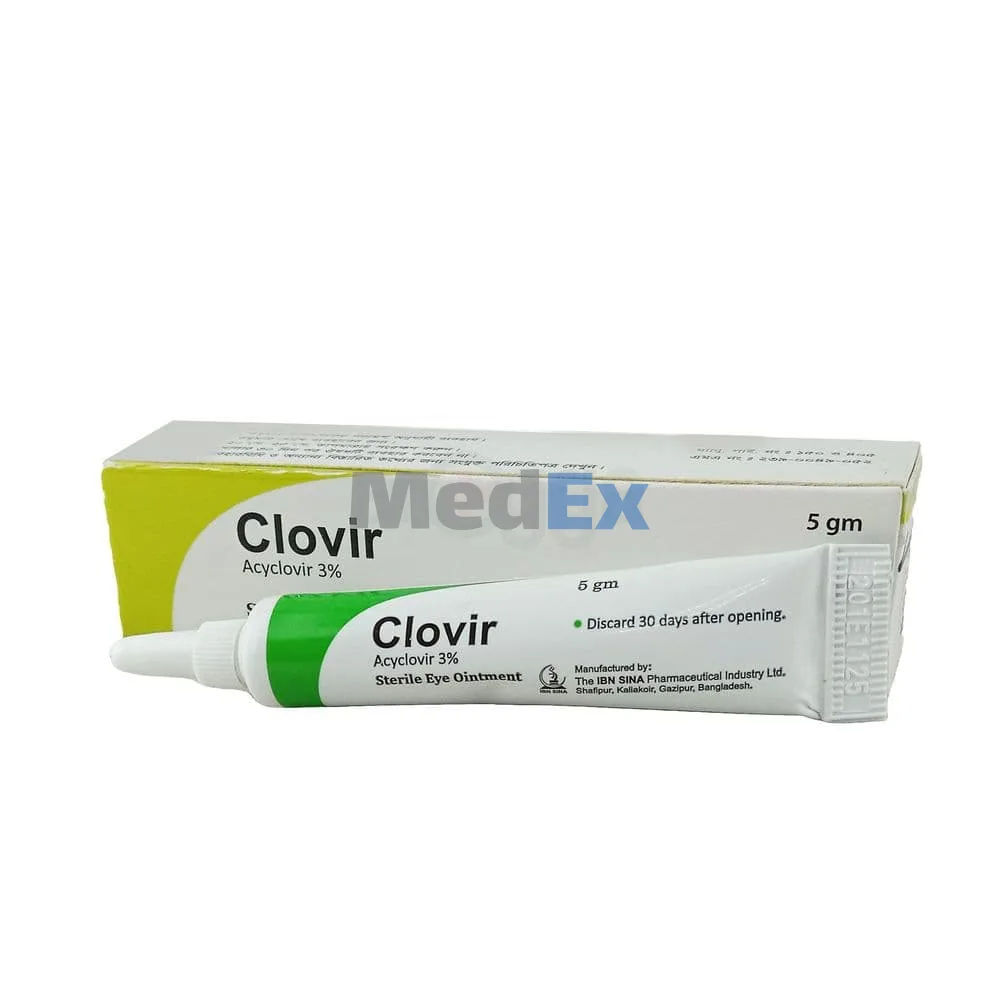
Clovir

Optivir

Acyvir
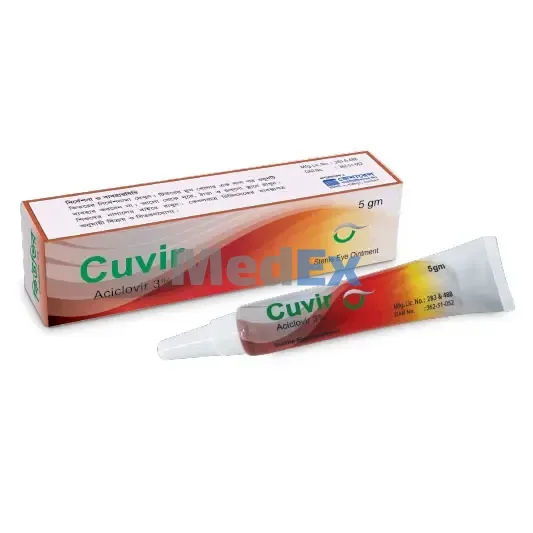
Cuvir
Simplovir

Xovir
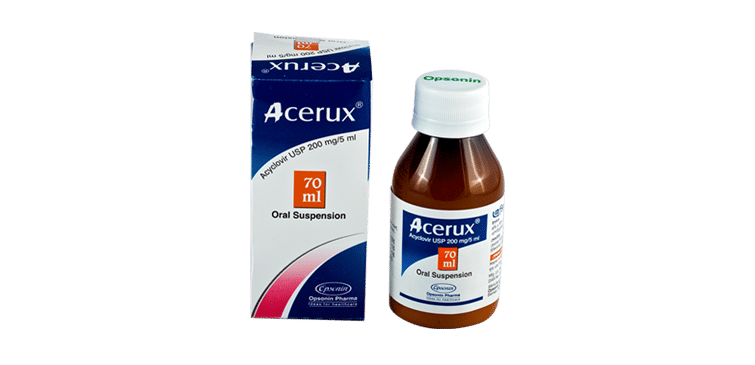
Acerux
Virux
Acerux
Clovir
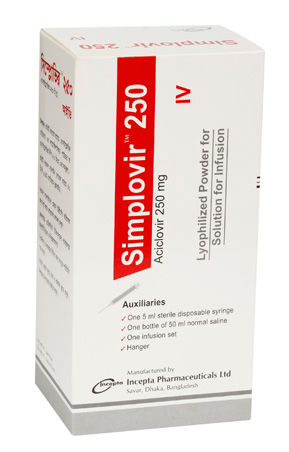
Simplovir
Virunil
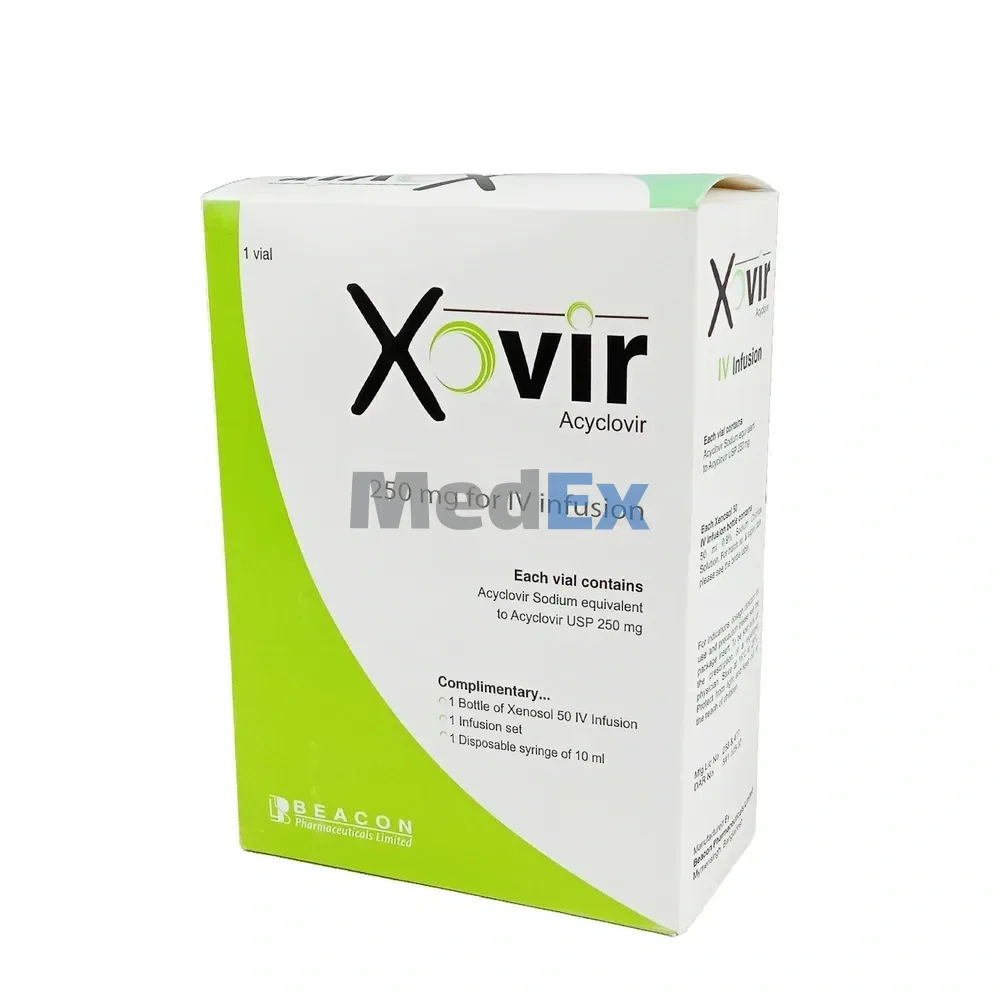
Xovir
Virupos
Acerux

Acyvir
Clovir
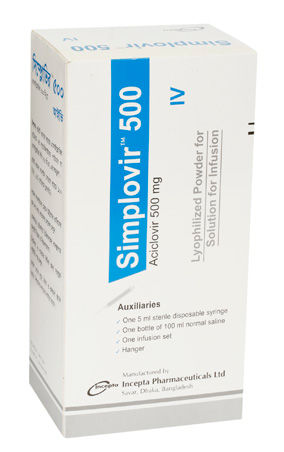
Simplovir
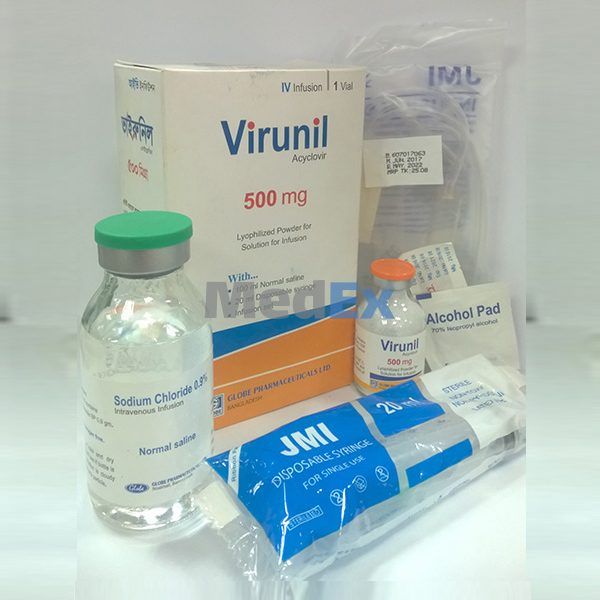
Virunil
Virux
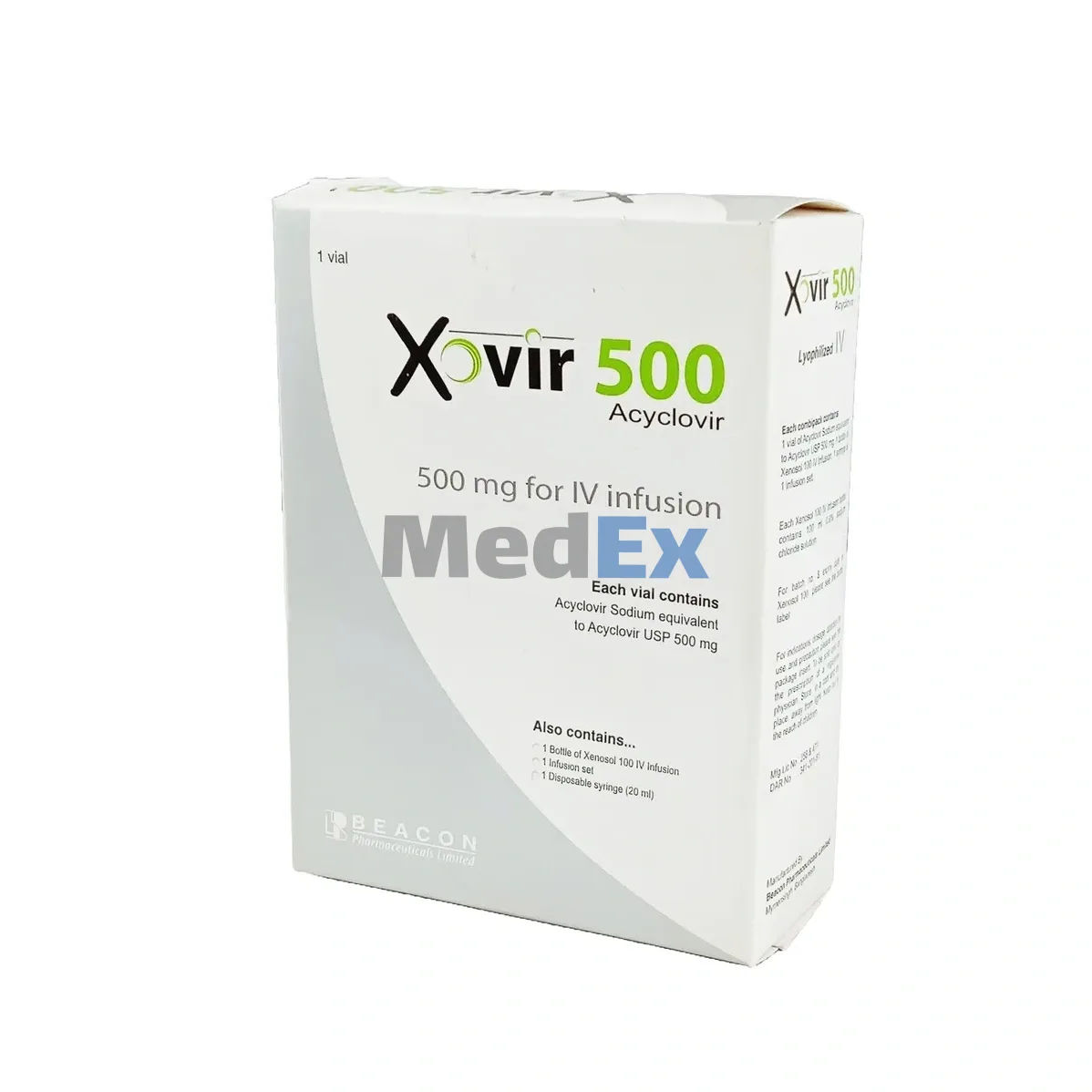
Xovir
Simplovir
📖 Official Clinical Monograph
DGDA Approved Prescribing GuidelinesAcerux intravenous infusion is indicated for the treatment of-
Acute clinical manifestations of Herpes simplex virus in immunocompromised patients
Severe primary or non-primary genital herpes in immune competent patients
Varicella zoster virus infection in immunocompromised patients
Herpes zoster (shingles) in immune competent patients who show very severe acute local or systemic manifestations of the disease
Herpes simplex encephalitis
Acyclovir IV Injection is contraindicated in patients known to be hypersensitive to Acyclovir or Valacyclovir.
Some infrequent adverse reactions are lethargy, obtundation, tremors, confusion, hallucinations, agitation, somnolence, psychosis, convulsions and coma, phlebitis, nausea, vomiting, reversible increases in liver-related enzymes, pruritus, urticaria, rashes, increases in blood urea and creatinine. Local inflammatory reactions may occur if Acerux IV Infusion is inadvertently infused into extracellular tissues.
Acerux IV injection is intended for intravenous infusion only and should not be used through any other route. Reconstituted Acerux IV Infusion has a pH of approximately 11.0 and should not be administered by mouth. Acerux IV injection as infusion must be given over a period of at least one hour in order to avoid renal tubular damage. It should not be administered as a bolus injection. Acerux IV infusion must be accompanied by adequate hydration. Since maximum urine concentration occurs within the first few hours following infusion, particular attention should be given to establish sufficient urine ‑ow during that period. Concomitant use of other nephrotoxic drugs, pre-existing renal disease and dehydration increase the risk of further renal impairment by Acerux. As Acerux has been associated with reversible encephalopathic changes, it should be used with caution in patients with neurological abnormalities, significant hypoxia or serious renal, hepatic or electrolyte abnormalities.
Acyclovir exerts its antiviral eects on Herpes simplex virus and Varicella zoster virus by interfering with DNA synthesis and inhibiting viral replication. In cells infected with Herpes virus, the antiviral activity of Acyclovir appears to depend principally on the intracellular conversion of the drug to Acyclovir Triphosphate. Acyclovir is converted to Acyclovir Monophosphate principally via virus coded thymidine kinase, the monophosphate is phosphorylated to diphosphate via cellular guanylate kinase and then via other cellular enzymes to the Triphosphate, which is the pharmacologically active form of the drug.